Anti-Inflammatory Diet: Foods That Heal and Foods That Hurt
Chronic inflammation is the silent engine behind most diseases that kill people in the developed world. Heart disease, type 2 diabetes, Alzheimer’s, arthritis, certain cancers, and even depression have all been linked to persistent low-grade inflammation that smolders inside the body for years before symptoms appear. Unlike the acute inflammation you see when a cut swells or a sprained ankle turns red — which is your immune system doing its job — chronic inflammation is a slow, destructive process that damages healthy tissue over time.
The food you eat every day is one of the most powerful levers you have to either fuel that fire or put it out. An anti-inflammatory diet is not a branded program with a trademark symbol. It is a pattern of eating built around foods that research consistently shows reduce inflammatory markers in the blood, while eliminating or minimizing foods that raise them. The concept is simple. The execution requires understanding which foods belong in which category.
What Actually Causes Chronic Inflammation
Before diving into food lists, understanding the mechanism helps you make better choices at the grocery store.
Inflammation begins at the cellular level. When your body detects a threat — an injury, an infection, or a harmful substance — the immune system dispatches white blood cells and chemical messengers called cytokines to neutralize it. This is acute inflammation: fast, targeted, and resolved once the threat is eliminated.
Chronic inflammation happens when the immune system stays activated even though there is no immediate threat to fight. The triggers are familiar modern problems: visceral fat (the kind stored around your organs), high blood sugar from constant carbohydrate overconsumption, trans fats and seed oils that disrupt cell membranes, chronic stress that floods the body with cortisol, and a gut microbiome damaged by processed food and antibiotics.
Food sits at the center of almost every one of these triggers. You cannot control your genetics or eliminate all stress, but you can control what goes into your mouth three or more times per day. That consistency compounds.
Foods That Fight Inflammation
The anti-inflammatory food list reads like a greatest hits of whole, unprocessed eating. Nothing exotic or expensive — just real food that your body recognizes and can use without triggering immune alarm bells.
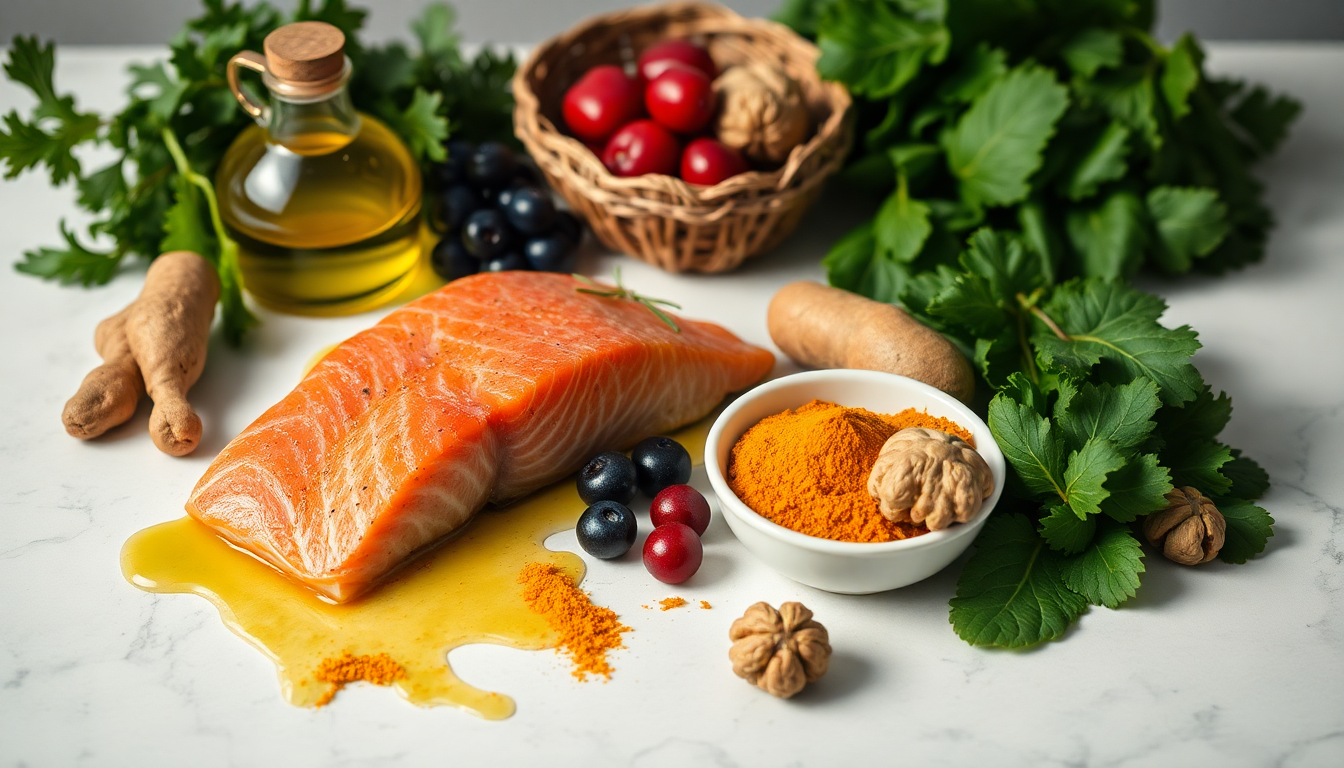
Fatty fish: Salmon, sardines, mackerel, anchovies, herring, and trout provide omega-3 fatty acids (EPA and DHA) that directly suppress the production of inflammatory molecules called eicosanoids and cytokines. Two to three servings per week is the target most studies reference. Canned sardines and wild salmon are affordable options that deliver the same benefit as fresh fillets.
Leafy greens and cruciferous vegetables: Spinach, kale, Swiss chard, broccoli, Brussels sprouts, cauliflower, and cabbage contain high concentrations of antioxidants — particularly vitamin K, sulforaphane, and polyphenols — that neutralize free radicals driving oxidative stress. Oxidative stress and chronic inflammation feed each other in a vicious cycle, so interrupting one helps reduce the other.
Berries: Blueberries, strawberries, raspberries, blackberries, and cherries are packed with anthocyanins — the pigments that give them their deep color. These compounds have been shown in clinical studies to reduce CRP (C-reactive protein), one of the most reliable blood markers for systemic inflammation.
Olive oil: Extra virgin olive oil contains oleocanthal, a compound with anti-inflammatory properties comparable to ibuprofen — though at food-level doses, not pharmaceutical ones. The Mediterranean diet’s well-documented health benefits owe a significant debt to liberal olive oil use. Use it as your primary cooking and finishing oil.
Nuts and seeds: Almonds, walnuts, flaxseeds, chia seeds, and hemp seeds provide healthy fats, fiber, magnesium, and vitamin E. Walnuts deserve special mention for their high ALA omega-3 content. A handful daily is the typical recommendation.
Turmeric and ginger: Curcumin (the active compound in turmeric) is one of the most studied natural anti-inflammatory substances. Its absorption improves dramatically when paired with black pepper (piperine increases bioavailability by up to 2,000%). Ginger contains gingerols that inhibit prostaglandin synthesis — the same pathway targeted by NSAIDs.
Whole grains: Oats, brown rice, quinoa, barley, and whole wheat provide fiber that feeds beneficial gut bacteria, which in turn produce short-chain fatty acids (particularly butyrate) that strengthen the gut lining and reduce systemic inflammation. The key is choosing intact whole grains over processed grain products.
Legumes: Lentils, chickpeas, black beans, and kidney beans combine fiber, plant protein, and resistant starch — all of which support a diverse gut microbiome associated with lower inflammation markers. They are also among the most affordable anti-inflammatory foods available.
Green tea: Rich in EGCG (epigallocatechin gallate), a polyphenol that has been shown to reduce NF-kB activation — one of the master switches for inflammatory gene expression. Two to three cups daily is the amount most commonly cited in research.
Foods That Drive Inflammation
This list is shorter but more important, because eliminating inflammatory foods often produces faster results than adding anti-inflammatory ones. You stop pouring fuel on the fire first, then add the water.
Refined sugar and high-fructose corn syrup: Excess sugar triggers the release of inflammatory cytokines, increases uric acid levels, and promotes insulin resistance — all of which sustain chronic inflammation. The average American consumes roughly 77 grams of added sugar daily, more than triple the WHO recommendation. This single dietary factor may be the most damaging.
Refined carbohydrates: White bread, white pasta, pastries, crackers, and breakfast cereals made from refined flour spike blood sugar rapidly, triggering the same inflammatory cascade as table sugar. The refining process strips away the fiber, vitamins, and minerals that slow digestion and moderate the glucose response.
Seed and vegetable oils: Soybean oil, corn oil, sunflower oil, safflower oil, canola oil, and cottonseed oil are extremely high in omega-6 fatty acids. While omega-6 is essential in small amounts, the modern diet’s omega-6 to omega-3 ratio has shifted from roughly 1:1 (ancestral) to 16:1 or higher. This imbalance promotes the production of pro-inflammatory arachidonic acid derivatives. Switch to olive oil, avocado oil, or coconut oil.
Trans fats: Partially hydrogenated oils (now banned in many countries but still present in some processed foods, margarines, and fast food) are among the most inflammatory substances in the food supply. They simultaneously raise LDL cholesterol, lower HDL cholesterol, and activate inflammatory pathways. Read labels carefully.
Processed and red meat: Processed meats (bacon, sausage, hot dogs, deli meats) contain nitrates, nitrites, and advanced glycation end products (AGEs) formed during high-heat cooking that directly trigger inflammation. Excessive red meat consumption has been associated with elevated CRP and IL-6 levels in multiple studies. Occasional consumption of quality red meat is not the concern — daily consumption of processed meat is.
Excessive alcohol: Moderate alcohol consumption (one drink daily for women, two for men) shows mixed results in inflammation research. Heavy drinking, however, consistently raises inflammatory markers, damages the gut lining, and impairs liver function — all of which perpetuate chronic inflammation.
Artificial trans fats and additives: Emulsifiers in processed foods (polysorbate 80, carboxymethylcellulose) have been shown in animal studies to disrupt the gut mucus barrier, allowing bacterial products to enter the bloodstream and trigger systemic immune responses. This is an emerging area of research, but it adds another reason to minimize ultra-processed food.
Building Anti-Inflammatory Meals
Knowing the food lists is necessary but not sufficient. You need a practical framework for daily eating that does not require a nutrition degree or a food scale.
The simplest approach follows a plate model. Fill half your plate with vegetables (mixed colors, mostly non-starchy). Fill a quarter with protein (fatty fish, poultry, eggs, legumes, or tofu). Fill the remaining quarter with whole grains or starchy vegetables (sweet potato, brown rice, quinoa). Add healthy fats generously — olive oil on the salad, avocado on the bowl, nuts as a garnish.
A Sample Day
Breakfast: Steel-cut oats topped with blueberries, walnuts, a tablespoon of ground flaxseed, and a drizzle of honey. Green tea.
Lunch: Large mixed salad with grilled salmon, avocado, cherry tomatoes, cucumber, red onion, and pumpkin seeds. Dressing: extra virgin olive oil and lemon juice. A side of hummus with raw vegetables.
Snack: Apple slices with almond butter, or a small bowl of mixed berries with a few squares of dark chocolate (85% cocoa or higher).
Dinner: Lentil and vegetable stew with turmeric, ginger, garlic, and cumin. Served over brown rice with a side of steamed broccoli drizzled with olive oil.
Evening: Golden milk — warm oat milk with turmeric, ginger, cinnamon, black pepper, and a touch of honey.
This is not a punishing meal plan. The food is flavorful, filling, and built around ingredients available in any grocery store. The only things missing are the processed breakfast cereal, the lunchtime sandwich on white bread, the afternoon candy bar, and the fried dinner — which, not coincidentally, are the foods driving the inflammation in the first place.
The Mediterranean Diet Connection
If the anti-inflammatory diet sounds familiar, that is because the Mediterranean diet — the most studied and consistently recommended dietary pattern in modern nutrition science — is essentially an anti-inflammatory diet with geographic branding. Olive oil, fatty fish, vegetables, legumes, whole grains, nuts, and moderate red wine consumption. Limited processed food, sugar, and refined grains.
The PREDIMED trial, one of the largest and most rigorous nutrition studies ever conducted, demonstrated that a Mediterranean diet supplemented with extra virgin olive oil or nuts reduced cardiovascular events by roughly 30% compared to a control diet. The mechanism was largely attributed to reduced inflammation.
You do not need to follow a specifically “Mediterranean” diet to get these benefits. You need to eat anti-inflammatory foods consistently and minimize inflammatory ones. The label matters less than the pattern.
How Long Until You Notice a Difference
This depends on your starting point. Someone transitioning from a standard Western diet heavy in processed food, sugar, and seed oils may notice improvements in energy, digestion, joint stiffness, and skin clarity within two to four weeks. Blood markers like CRP typically show measurable changes within six to eight weeks of consistent dietary change.
People who already eat reasonably well may notice subtler improvements — better sleep quality, more stable energy throughout the day, reduced brain fog, and fewer aches upon waking. These changes accumulate gradually and become most apparent when you compare how you feel now to how you felt before making changes.
Frequently Asked Questions
What is the difference between an anti-inflammatory diet and the Mediterranean diet?
They overlap significantly. The Mediterranean diet is one specific expression of anti-inflammatory eating rooted in the traditional food patterns of Greece, southern Italy, and Spain. An anti-inflammatory diet is the broader concept — any eating pattern that reduces inflammatory markers. The Mediterranean diet is simply the most well-studied version of it.
Can an anti-inflammatory diet help with arthritis?
Yes. Multiple studies have shown that anti-inflammatory eating patterns reduce joint pain, stiffness, and swelling in both rheumatoid arthritis and osteoarthritis. The Arthritis Foundation specifically recommends the Mediterranean diet as a first-line dietary approach for managing inflammatory joint conditions. Results vary, but many patients report meaningful symptom reduction within 8–12 weeks.
Are eggs inflammatory?
Eggs are generally considered neutral to mildly anti-inflammatory for most people. They contain choline (which supports liver function and reduces homocysteine), vitamin D, and high-quality protein. The cholesterol concern has been largely debunked — dietary cholesterol has minimal impact on blood cholesterol for most individuals. However, some people with specific sensitivities may react differently.
Is coffee anti-inflammatory?
Black coffee in moderation (2–3 cups daily) is associated with lower inflammatory markers and reduced risk of several chronic diseases. The polyphenols in coffee — particularly chlorogenic acid — have documented antioxidant and anti-inflammatory properties. The problems arise when coffee becomes a vehicle for sugar, flavored syrups, and artificial creamers, which negate the benefits.
Can you eat dairy on an anti-inflammatory diet?
Full-fat dairy from grass-fed sources may have anti-inflammatory properties due to higher omega-3 and CLA (conjugated linoleic acid) content. Fermented dairy like yogurt and kefir support gut health through probiotics. However, some individuals experience increased inflammation from dairy due to lactose intolerance or casein sensitivity. Pay attention to how your body responds.
Is the anti-inflammatory diet good for weight loss?
It can be, though it is not designed as a weight loss program. By eliminating processed foods, sugar, and refined carbohydrates — the primary drivers of overconsumption — most people naturally reduce calorie intake without counting. The emphasis on fiber, protein, and healthy fats promotes satiety. Weight loss is a common side effect rather than the stated goal.
Do I need supplements on an anti-inflammatory diet?
If you eat fatty fish twice weekly, use olive oil liberally, consume diverse vegetables and fruits, and include nuts, seeds, and legumes regularly, you may not need supplements. However, omega-3 supplements (fish oil or algae-based) can help if fish intake is low. Vitamin D supplementation is advisable for most people regardless of diet, especially in northern climates.
Can an anti-inflammatory diet cure autoimmune diseases?
No diet cures autoimmune disease. However, reducing dietary inflammation can decrease flare frequency, reduce symptom severity, and improve quality of life for many autoimmune patients. The Autoimmune Protocol (AIP), a stricter elimination version of the anti-inflammatory diet, has shown promising results in preliminary studies for conditions like Hashimoto’s thyroiditis and inflammatory bowel disease.
Conclusion
The anti-inflammatory diet is not a fad or a marketing invention — it is the dietary pattern that the strongest body of nutrition research points toward for disease prevention and long-term health. It does not require exotic superfoods, expensive supplements, or complicated meal plans. It requires eating real food — vegetables, fruits, fish, legumes, whole grains, nuts, olive oil — and cutting back on the processed, sugary, industrial food products that drive chronic inflammation in the first place.
The shift does not need to be dramatic or overnight. Replacing seed oils with olive oil, swapping white bread for whole grain, adding a serving of berries to breakfast, eating fatty fish twice a week, and reducing added sugar are small changes that compound over time. You do not need to be perfect. You need to be consistent.
Your body is remarkably responsive to dietary change. Give it the raw materials it needs to calm the inflammatory fire, and it will reward you with more energy, less pain, better digestion, and a significantly lower risk of the chronic diseases that define modern health outcomes. The food is not complicated. The commitment is what separates people who feel better from those who just read about it.