
Traditional Greek Recipes
Authentic Flavors of the Mediterranean
Greek cuisine represents one of the world's oldest and most influential culinary traditions. Rooted in centuries of Mediterranean culture, authentic Greek recipes emphasize fresh ingredients, bold flavors, and time-honored techniques that have been passed down through generations.
For home cooks seeking to explore this rich culinary heritage, understanding the fundamentals of Greek cooking opens the door to a diverse range of dishes. From hearty moussaka to refreshing tzatziki, traditional Greek recipes offer something for every palate and occasion.
This guide provides a comprehensive introduction to Greek cooking, covering essential ingredients, foundational techniques, and classic recipes. Whether searching for easy Greek recipes suitable for busy weeknights or simple Greek recipes perfect for entertaining guests, readers will find practical guidance and cultural context to support their culinary journey.
The Foundations of Greek Cuisine
Greek cooking extends far beyond the few dishes commonly associated with Mediterranean restaurants. At its core, Greek cuisine prioritizes quality over complexity, allowing exceptional ingredients to shine through straightforward preparation methods.
The Mediterranean climate shapes the ingredients available to Greek cooks. Olives, citrus fruits, tomatoes, eggplants, and an abundance of fresh herbs form the backbone of countless dishes. This connection to the land remains evident in both rural village kitchens and contemporary urban restaurants throughout Greece.
The Central Role of Olive Oil
Olive oil functions as more than a cooking medium in Greek cuisine. It serves as a primary flavor component, a finishing element, and a preservative. Greek extra virgin olive oil, particularly varieties pressed from Koroneiki or Athinolia olives, delivers a distinctive peppery, grassy character that defines the cuisine.
When recipes specify generous quantities of olive oil, this reflects culinary tradition rather than excess. The oil carries and enhances other flavors while contributing its own complex taste profile.
Seasonality and Freshness
Traditional Greek cooking follows the rhythm of the seasons. Summer brings ripe tomatoes, tender eggplants, and crisp cucumbers. Autumn offers squash, grapes, and pomegranates. Winter provides citrus, hearty greens, and preserved foods prepared during warmer months.
This seasonal approach ensures optimal flavor and nutrition. Cooks who honor these natural cycles produce dishes that taste distinctly of their time and place.
The Philosophy of Philoxenia
The Greek concept of philoxenia—love of strangers—profoundly influences the country's food culture. This tradition of generous hospitality means that Greek tables are always set abundantly, with dishes designed for sharing among family and friends.
Meals become social occasions, with multiple courses served slowly and savored collectively. This cultural context helps explain why Greek recipes typically yield generous portions and why the cuisine emphasizes dishes that can be prepared in advance and enjoyed at leisure.
Essential Ingredients for Greek Cooking
Building a well-stocked Greek pantry requires attention to quality and authenticity. The following ingredients form the foundation of countless traditional recipes.
Extra Virgin Olive Oil
Invest in high-quality Greek extra virgin olive oil for authentic results. Look for cold-pressed oils with harvest dates and origin information. Store in a cool, dark location and use within one year of opening for optimal flavor.
Feta Cheese
Authentic Greek feta is produced from sheep's milk or a combination of sheep and goat's milk. This distinction matters significantly for flavor and texture. True feta carries a Protected Designation of Origin (PDO) status when produced in specific regions of Greece.
The cheese should taste tangy and salty with a creamy, crumbly texture. Products labeled "feta-style" and made from cow's milk lack the characteristic depth of authentic Greek feta. Quality feta is typically sold packed in brine; if purchased without brine, it can be stored in a mixture of water and salt to maintain freshness.
Dried Oregano
Greek oregano (Origanum vulgare subsp. hirtum) differs markedly from Italian or Mexican varieties. It possesses a more potent, slightly bitter flavor profile that stands up to robust dishes.
For best results, purchase dried oregano still attached to stems. Crush the leaves between the palms immediately before use to release essential oils and maximize aroma.
Fresh Lemons
Lemons appear in virtually every category of Greek cooking. The juice provides acidity and brightness; the zest contributes aromatic oils; and whole lemons are used in preserves and slow-cooked dishes. Fresh lemons are essential—bottled juice cannot replicate their complex flavor.
Tomatoes
During summer months, ripe fresh tomatoes are indispensable. For the remainder of the year, high-quality canned whole tomatoes, preferably San Marzano or similar plum varieties, provide superior flavor to out-of-season fresh tomatoes.
Phyllo Dough
Many Greek pastries and pies rely on phyllo—paper-thin sheets of unleavened flour dough. While fresh phyllo is difficult to source outside Greece, frozen phyllo produces excellent results when handled properly. Thaw overnight in the refrigerator and work quickly once the package is opened, as phyllo dries rapidly when exposed to air.
Pita Bread
No Greek pantry is complete without pita. This soft, pocketless flatbread serves as the foundation for souvlaki, gyro, and countless sandwiches. While store-bought versions work in a pinch, homemade pita offers texture and flavor that elevate every dish it touches. For those interested in mastering this essential bread, a dedicated guide to Greek recipes with pita and bread provides detailed techniques for homemade flatbreads and authentic wraps.
Fundamental Techniques
Mastering a handful of core techniques enables cooks to prepare dozens of different Greek dishes with confidence.
The Sofrito Base
Most Greek stews, sauces, and braises begin with onions slowly sautéed in olive oil until soft and golden. This process requires patience—typically ten to fifteen minutes over medium-low heat.
Rushing this step yields harsh, raw onion flavors. Properly executed, the sofrito creates a sweet, aromatic foundation that carries the entire dish.
Working with Phyllo
Success with phyllo requires generous application of olive oil or butter between layers. Each sheet should be thoroughly brushed, creating the characteristic flaky texture of finished pastries.
Torn sheets can be patched with additional pieces—the finished dish contains so many layers that minor imperfections disappear during baking. Work quickly and keep unused phyllo covered with a damp cloth to prevent drying.
The Avgolemono Method
Avgolemono is an emulsified sauce of eggs and lemon juice used to thicken soups and sauces. The critical technique is tempering: hot broth must be added slowly to beaten eggs while whisking continuously before the mixture is incorporated into the main dish.
Adding eggs directly to hot liquid causes curdling. Proper tempering produces a silky, creamy sauce with bright lemon flavor.
Slow Cooking
Many iconic Greek dishes benefit from extended, gentle cooking. Stifado (beef and onion stew), fasolada (white bean soup), and kokkinisto (meat in tomato sauce) all develop depth and complexity through slow simmering.
These dishes are ideal for weekend cooking or slow cookers. The investment of time yields flavors that cannot be achieved through quick cooking methods.
Classic Greek Recipes
The following dishes represent the essential repertoire of Greek home cooking. Each recipe illustrates fundamental techniques and flavor combinations. While some require time and patience, others are surprisingly quick to prepare.
For those seeking streamlined preparations that deliver authentic flavors without extensive effort, exploring easy Greek recipes provides an excellent starting point. These accessible dishes respect traditional flavors while accommodating busy schedules.
Moussaka
This iconic casserole layers eggplant, spiced meat sauce, and béchamel before baking to golden perfection. The key to excellent moussaka lies in proper preparation of the eggplant.
Sliced eggplant should be salted and allowed to drain before cooking to remove bitterness and excess moisture. The slices are then fried or roasted until tender. Undercooked eggplant produces a tough, unpleasant texture in the finished dish.
The meat sauce combines ground lamb or beef with tomatoes, onions, and warm spices including cinnamon and allspice. Some cooks add a layer of thinly sliced potatoes beneath the eggplant for additional substance.
The béchamel topping should be thick enough to hold its shape while remaining pourable. Some recipes incorporate cheese into the sauce; others keep it simple. Both approaches are traditional.
Pastitsio
Often described as Greek lasagna, pastitsio is properly understood as a distinct dish with its own character. Tubular pasta (bucatini or thick spaghetti) is layered with cinnamon-scented meat sauce and topped with béchamel.
The cinnamon is essential—it provides the warm, aromatic quality that distinguishes pastitsio from Italian baked pasta dishes. The pasta tubes are typically arranged in parallel lines, creating the distinctive sliced appearance of the finished casserole.
Spanakopita
This spinach and feta pie demonstrates the phyllo technique. The filling combines cooked spinach, crumbled feta, sautéed onions, and fresh herbs. Fresh spinach is preferred, though frozen spinach can be used if thoroughly squeezed to remove moisture.
Assembly involves layering eight to ten sheets of buttered or oiled phyllo on the bottom, adding the filling, then topping with another eight to ten sheets. The pie is scored before baking to facilitate clean cutting after it emerges golden and crisp from the oven.
Horiatiki Salata
The Greek village salad contains no lettuce. Instead, it combines large chunks of tomato, cucumber, green pepper, and red onion with Kalamata olives and a substantial block of feta cheese.
The dressing is simply extra virgin olive oil and dried oregano—no vinegar or lemon juice. The quality of ingredients is paramount: ripe summer tomatoes, authentic feta, and good olives make the dish; inferior ingredients cannot be hidden.
Served with crusty bread to soak up the flavorful juices, this salad accompanies virtually every Greek meal.
Souvlaki
Grilled meat skewers represent Greek street food at its finest. Cubes of marinated pork or chicken are threaded onto skewers and cooked over high heat until charred outside and juicy within.
The classic marinade combines olive oil, lemon juice, garlic, and dried oregano. Marinating time ranges from two hours to overnight—the acid in the lemon juice tenderizes the meat while the oil carries flavor.
Pork shoulder and chicken thighs produce superior results to leaner cuts, which tend to dry out during grilling. For those interested in chicken-based preparations, a dedicated collection of Greek chicken recipes offers detailed guidance on marinades and techniques. The cooked meat is traditionally served in warm pita bread with tomatoes, onions, and tzatziki.
Tzatziki
This yogurt and cucumber sauce accompanies grilled meats, serves as a dip for vegetables and bread, and cools spicy dishes. Thick Greek yogurt forms the base, though regular yogurt can be strained through cheesecloth to achieve the proper consistency.
Cucumber is grated and squeezed to remove excess water—this step is essential to prevent watery sauce. The yogurt is combined with cucumber, minced garlic, olive oil, and vinegar or lemon juice.
Resting time improves tzatziki significantly. Prepared a day in advance and refrigerated, the flavors meld and deepen.
Regional Specialties
Beyond the internationally known dishes, Greek cuisine encompasses countless regional specialties worth exploring. For those interested in deeper exploration of time-honored preparations, a comprehensive guide to authentic traditional Greek recipes offers detailed techniques for classic dishes like moussaka, pastitsio, and stifado.
Fasolada
Many Greeks consider this white bean soup their national dish. Dried white beans are simmered with tomatoes, carrots, celery, and onions until creamy and aromatic.
The olive oil is added at the end of cooking, stirred in just before serving to preserve its flavor and nutritional properties. Despite its humble ingredients, fasolada delivers profound satisfaction.
Briam
This baked vegetable dish layers zucchini, eggplant, potatoes, and tomatoes with abundant olive oil and herbs. Slow roasting concentrates the flavors and creates a meltingly tender texture.
Briam improves as it rests and is traditionally served at room temperature with feta cheese and bread.
Stifado
This beef stew is distinguished by its quantity of onions—traditionally equal in weight to the meat. Small whole onions cook down into a sweet, rich sauce flavored with cinnamon, cloves, and red wine vinegar.
The vinegar provides essential acidity that balances the sweetness and creates the dish's characteristic tang.
Dolmades
Grape leaves stuffed with rice and herbs represent the art of ladera—olive oil-based dishes. Fresh young grape leaves are ideal, though jarred leaves work well when rinsed thoroughly.
The filling of rice, herbs, and sometimes ground meat is wrapped in leaves and simmered in a lemony broth. Properly rolled dolmades hold together during cooking and offer a perfect balance of flavors in each bite.
Common Pitfalls and Solutions
Even experienced cooks encounter challenges when working with unfamiliar cuisines. Awareness of common mistakes helps ensure successful results.
Underseasoning
Greek food is boldly flavored. Recipes require generous seasoning with salt, herbs, and acid. Tasting and adjusting throughout the cooking process is essential. Remember that flavors mellow during cooking—slightly overseasoned dishes often taste properly balanced when finished.
Using Inferior Olive Oil
Light or refined olive oils lack the character needed for Greek cooking. Extra virgin olive oil is appropriate for all applications except high-heat frying, where smoke point considerations matter more.
Rushing the Onions
The instruction to cook onions until soft and golden should be taken literally. Translucent onions taste raw and harsh. Properly caramelized onions provide sweetness and depth that transform dishes.
Ignoring Resting Time
Many Greek dishes benefit from resting before serving. Moussaka cuts more cleanly; tzatziki develops better flavor; stews thicken and meld. Building resting time into meal planning improves results significantly.
Insufficient Oil
Greek cooking uses olive oil generously by design. The oil is a flavoring agent, not merely a cooking medium. Attempting to reduce oil quantities typically produces disappointing results.
Planning a Greek Meal
A traditional Greek table includes multiple dishes served together. Here is how to plan a complete meal.
The Structure
Start with mezedes, small plates for sharing. Tzatziki, hummus, olives, and cheese. Move on to a main dish, either meat-based or a substantial vegetable preparation. Serve with bread and a simple salad. Finish with fruit and perhaps a sweet.
Sample Menus
Summer dinner: Grilled souvlaki, horiatiki salad, tzatziki, roasted potatoes, watermelon for dessert.
Winter feast: Moussaka, briam, crusty bread, orange segments with cinnamon.
Vegetarian spread: Spanakopita, fasolada, dolmades, olives, feta, bread.
For those interested in plant-based Greek cooking, a comprehensive collection of Greek vegetarian and vegan recipes offers detailed guidance on protein-rich legume dishes, vegetable preparations, and adaptations of classic recipes.
Frequently Asked Questions
Can dried herbs substitute for fresh in Greek recipes?
For most Greek cooking, dried herbs are actually preferred. Oregano, mint, and dill all dry exceptionally well, developing concentrated flavors. The exception is parsley, which should always be used fresh.
Is Greek cuisine inherently healthy?
The traditional Greek diet emphasizes vegetables, legumes, whole grains, and olive oil, supporting overall health. For those specifically interested in the nutritional aspects, a dedicated collection of healthy Greek recipes highlights preparations that maximize wellness benefits. However, Greek cuisine also includes rich pastries, fried foods, and abundant cheese. Balance and moderation characterize the traditional approach.
What is the difference between Greek and Mediterranean food?
Greek food is Mediterranean, but Mediterranean food is not necessarily Greek. The Mediterranean encompasses many cuisines: Italian, Spanish, Moroccan, Lebanese. Each has its own traditions. Greek cooking is distinct in its use of specific ingredients like feta, phyllo, and certain spice combinations.
Can I make these recipes ahead?
Absolutely. Most Greek dishes reheat well or taste better the next day. Moussaka, pastitsio, stifado, and fasolada are all excellent make-ahead options.
Where can I find authentic Greek ingredients?
Look for a Greek or Middle Eastern grocery store in your area. They will have the best selection of olive oil, feta, phyllo, and specialty items. Online retailers also carry Greek products if you do not have local options.
Is it hard to make phyllo from scratch?
Yes. Traditional phyllo requires skill and practice that takes years to develop. For home cooking, store-bought phyllo is perfectly acceptable and produces excellent results.
Conclusion
Greek cooking rewards those who approach it with patience and respect for tradition. The cuisine's emphasis on quality ingredients, straightforward techniques, and generous hospitality creates meals that nourish both body and spirit.
Beginning with the foundational recipes and techniques presented here, cooks can gradually expand their repertoire and develop the intuition that distinguishes experienced practitioners. The journey into Greek cuisine is ongoing—each dish mastered opens doors to new variations and regional specialties.
The recipes and guidance in this resource provide a solid foundation. From here, exploring specific categories can help deepen understanding and make Greek cooking feel natural in everyday life.
Kali orexi—good appetite.
Explore Greek Recipe Collections

Greek Chicken Recipes
Easy and authentic Greek chicken recipes from souvlaki to lemon chicken with potatoes.
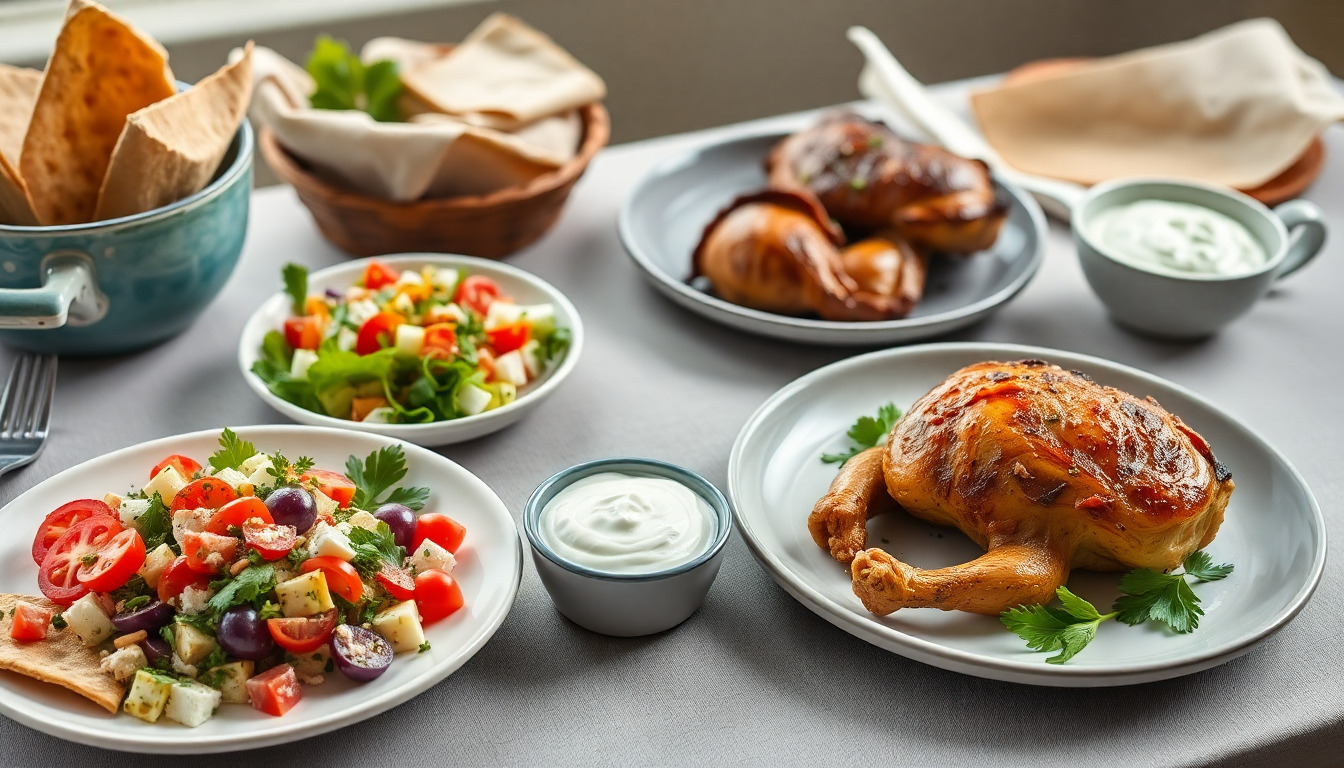
Easy Greek Recipes
Simple Greek recipes perfect for busy weeknights and beginner cooks.
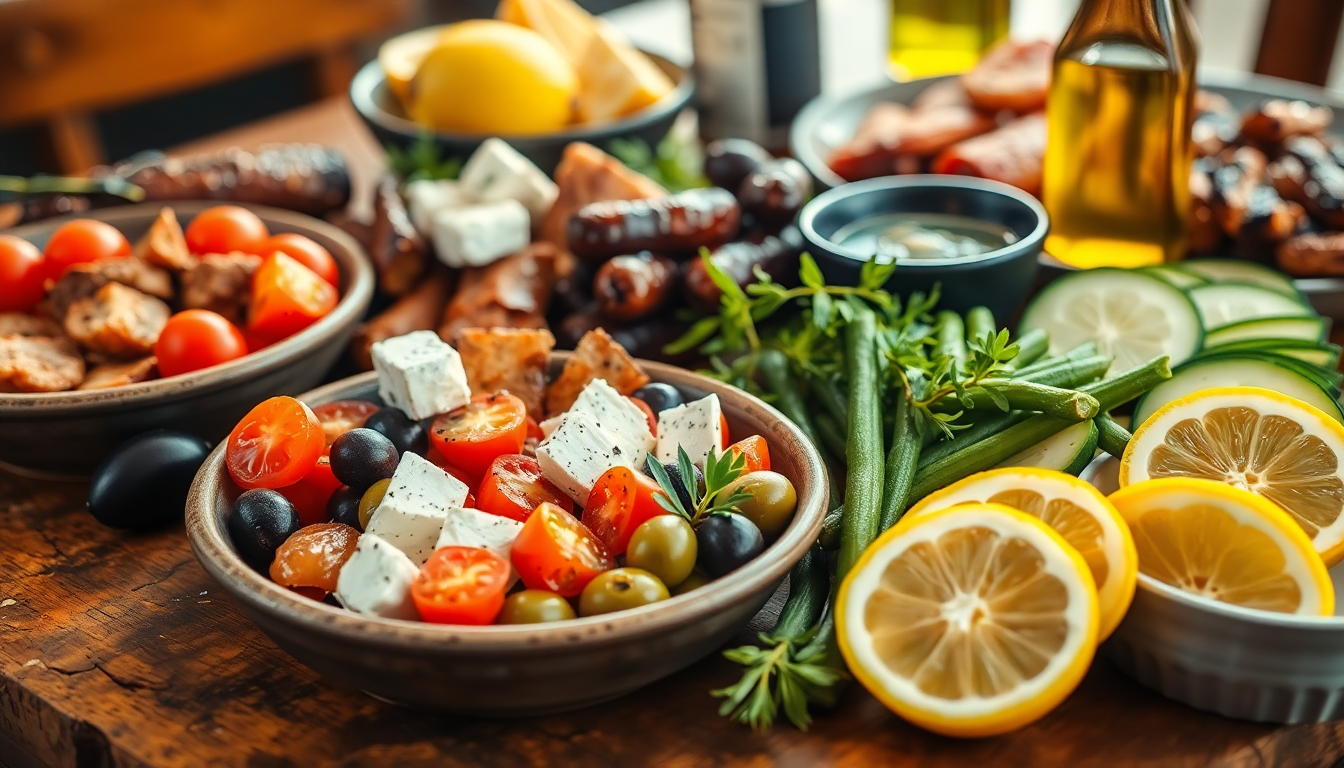
Authentic Traditional Greek Recipes
Time-honored Greek recipes passed down through generations.
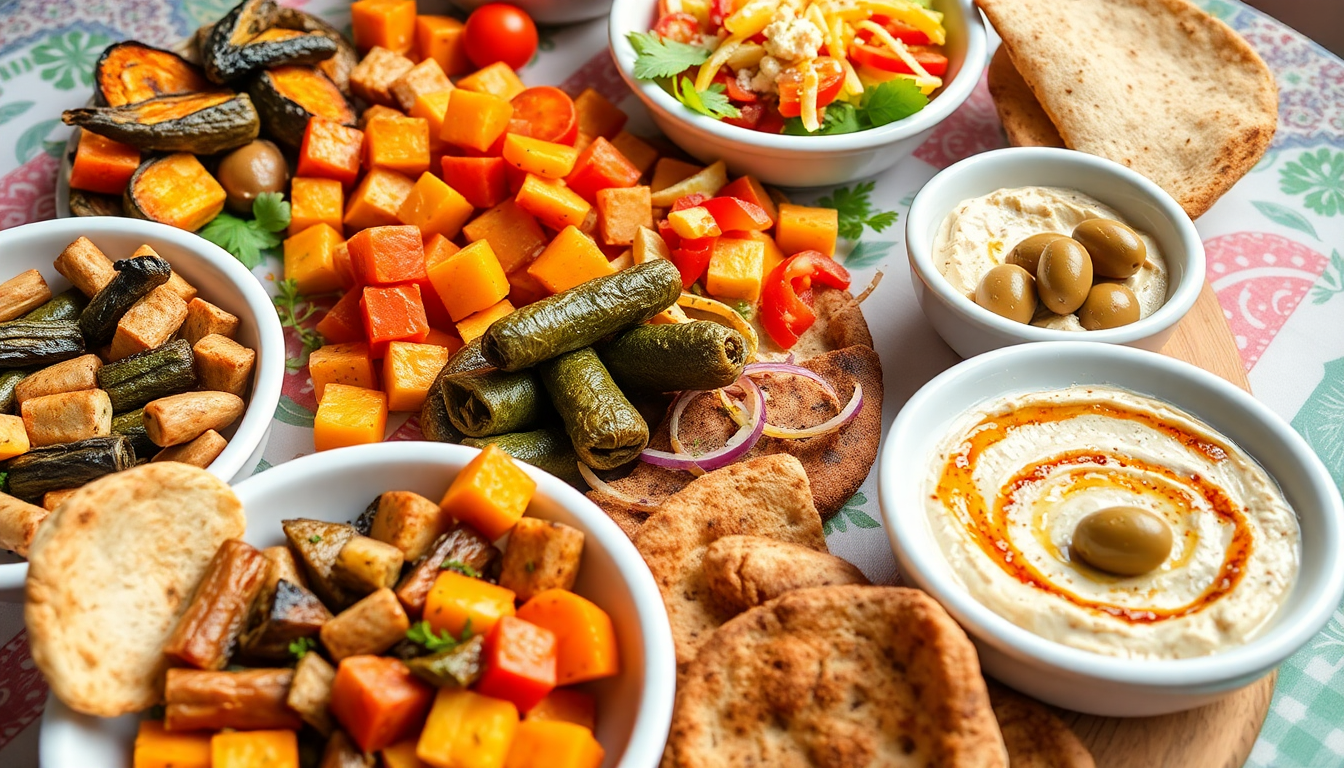
Greek Vegetarian & Vegan Recipes
Plant-based Greek dishes full of flavor and Mediterranean goodness.
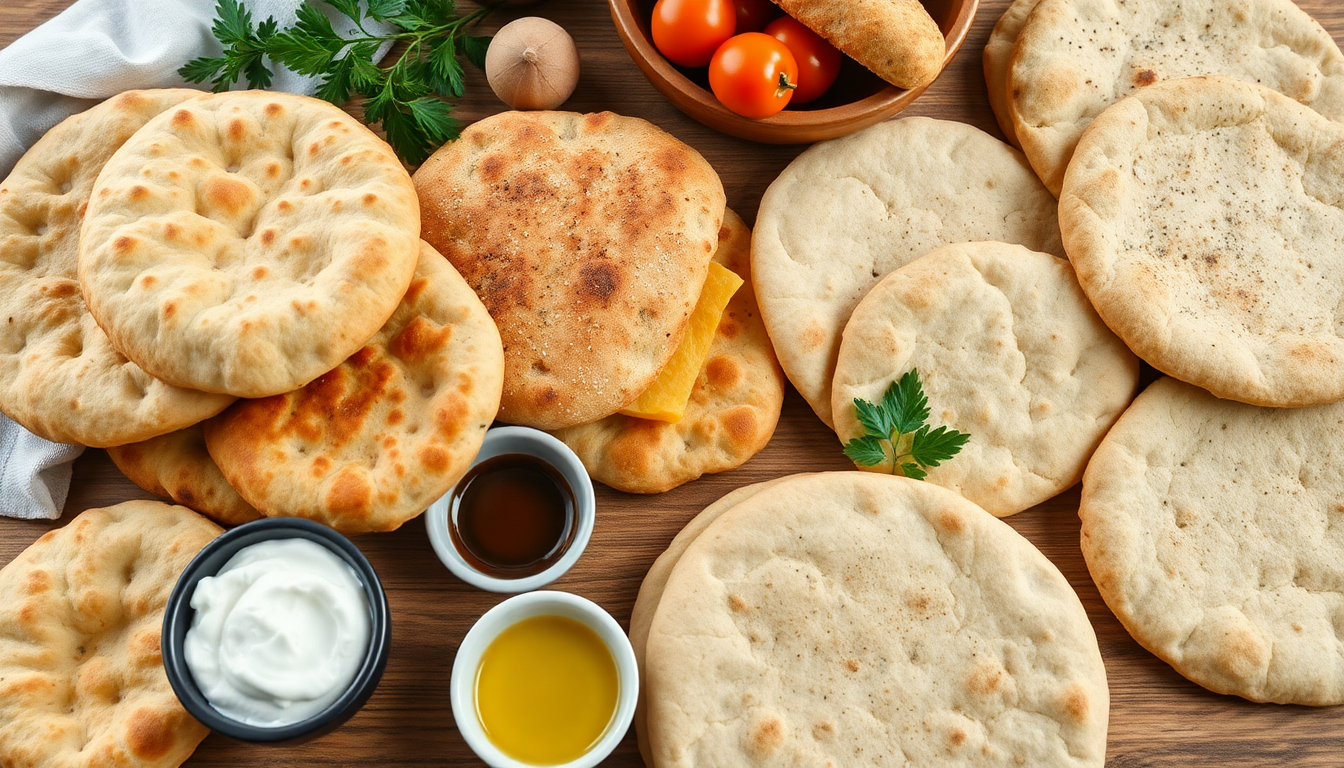
Greek Recipes with Pita & Bread
From homemade pita to gyro and souvlaki wraps.
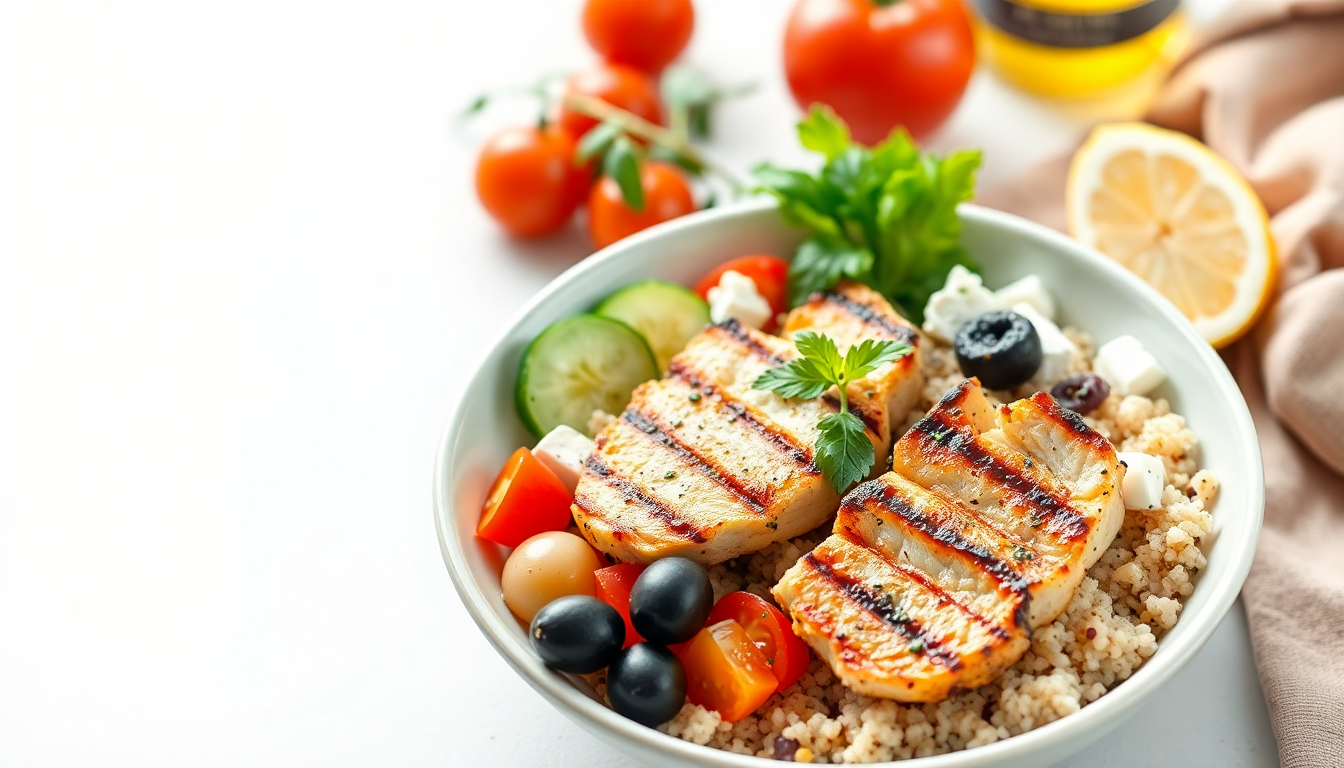
Healthy Greek Recipes
Nutritious Greek dishes that support a healthy Mediterranean lifestyle.