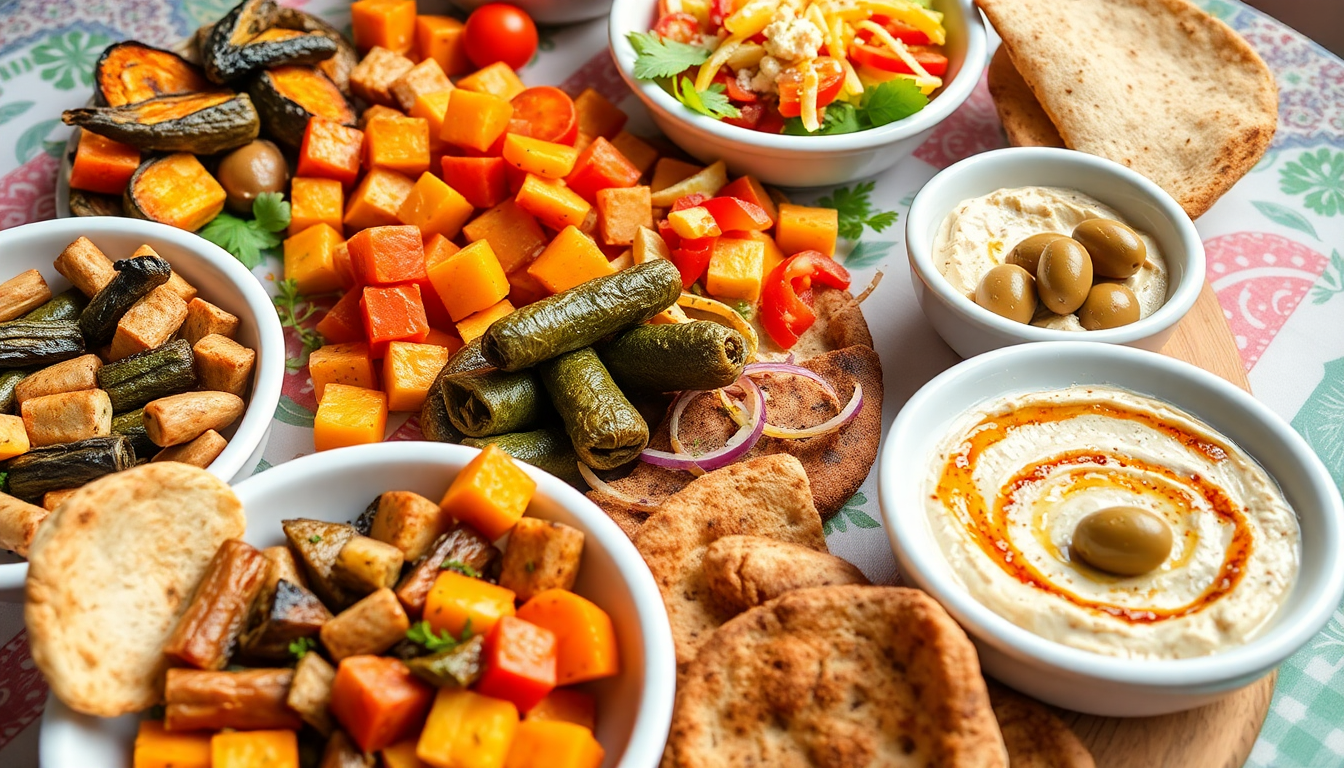
Greek Vegetarian & Vegan Recipes
Plant-Based Mediterranean Cuisine
Contrary to popular belief, Greek cuisine has always been predominantly plant-based. Before refrigeration made meat a daily staple, Greek villagers built their diets around what the land provided: vegetables, legumes, grains, and olive oil. The meat-heavy restaurant menus familiar to tourists represent a relatively modern development, not the historical reality.
This collection of Greek vegetarian recipes and vegan Greek recipes returns to those roots. These are not adaptations or compromises—they are authentic dishes that have sustained generations. From the protein-rich gigantes plaki to the aromatic gemista, these preparations demonstrate how Greek cooks created satisfying, nourishing meals without animal products.
The Mediterranean diet, recognized by health organizations worldwide for its benefits, derives its power primarily from these plant-based foundations. These dishes represent an important dimension of the broader tradition of traditional Greek recipes, one that emphasizes vegetables, legumes, and olive oil as central rather than peripheral elements.
The Plant-Based Foundation of Greek Cuisine
Religious fasting traditions shaped Greek cooking in profound ways. Orthodox Christianity prescribes approximately 180 fasting days annually, during which believers abstain from meat, dairy, and eggs. This created an extensive repertoire of vegan dishes that remain central to the cuisine.
The term nistisimo refers to fasting-appropriate foods, and these preparations are often the most beloved. Fasolada, the white bean soup considered Greece's national dish, is vegan. So are dolmades, gemista, and countless other classics. These are not afterthoughts—they are the cuisine's heart.
The Role of Legumes
Greek cooking elevates beans and lentils to starring roles. Giant butter beans baked in tomato sauce (gigantes plaki) become creamy and luxurious. Lentil soup (fakes) provides hearty satisfaction. Chickpeas transform into revithosoupa or are roasted until crisp.
These ingredients offer complete protein profiles when combined with grains, making them nutritionally sound as well as delicious. A meal of beans, bread, and salad provides everything the body needs.
Vegetables as Main Courses
Greek cooking treats vegetables with the respect other cuisines reserve for meat. Eggplants are stuffed, layered, or simply roasted until meltingly tender. Tomatoes and peppers become vessels for herbed rice. Zucchini, potatoes, and onions slow-braise together in olive oil until they create their own sauce.
The technique of ladera—cooking in oil—transforms humble vegetables into something extraordinary. The oil carries flavors, creates silky textures, and satisfies in ways that surprise those unfamiliar with the tradition.
Essential Vegetarian & Vegan Greek Recipes
Gigantes Plaki (Giant Baked Beans)
This dish of giant butter beans baked in rich tomato sauce exemplifies how Greek cooking transforms simple ingredients into something exceptional. The beans become creamy while the sauce reduces and concentrates.
Ingredients:
- 1 pound dried giant butter beans (or large lima beans)
- 1/2 cup olive oil
- 1 large onion, diced
- 4 cloves garlic, minced
- 2 cans (14 ounces each) crushed tomatoes
- 2 tablespoons tomato paste
- 2 teaspoons dried oregano
- 1 teaspoon smoked paprika
- 2 bay leaves
- 2 carrots, diced (optional)
- 2 celery stalks, diced (optional)
- Salt and pepper
- Fresh parsley for garnish
Method:
Soak beans overnight in plenty of water. Drain and cover with fresh water in a large pot. Bring to a boil, then reduce heat and simmer 45-60 minutes until beans are tender but still hold their shape. Drain, reserving cooking liquid.
Heat olive oil in an oven-safe pot over medium heat. Sauté onion until soft and golden, about 10 minutes. Add garlic and cook 1 minute. Add tomatoes, tomato paste, oregano, paprika, bay leaves, carrots, and celery. Simmer 15 minutes.
Add beans and enough reserved cooking liquid to create a saucy consistency. Season with salt and pepper. Cover and bake at 350°F for 1 hour. Remove cover and bake 30 minutes more until sauce has thickened. Garnish with fresh parsley.
Gemista (Stuffed Vegetables)
Tomatoes, peppers, zucchini, and eggplant become edible vessels for herbed rice in this classic preparation. Each vegetable contributes its character to the final dish.
Ingredients:
- 4 large ripe tomatoes
- 2 bell peppers
- 2 medium zucchini
- 1.5 cups medium-grain rice
- 1 large onion, finely diced
- 4 cloves garlic, minced
- 1/2 cup fresh parsley, chopped
- 1/4 cup fresh mint, chopped
- 1/4 cup fresh dill, chopped
- 1/3 cup olive oil, plus more for drizzling
- 1 can (14 ounces) crushed tomatoes
- 2 tablespoons tomato paste
- 1 teaspoon sugar
- 2 potatoes, cut into wedges
- Salt and pepper
Method:
Cut tops off tomatoes and peppers, reserving tops. Scoop out seeds and flesh, chopping the tomato flesh and reserving. Cut zucchini in half lengthwise and scoop out centers, chopping the flesh.
Heat 1/4 cup olive oil in a large skillet. Sauté onion until soft, about 8 minutes. Add garlic and cook 1 minute. Add reserved vegetable flesh, chopped zucchini centers, and rice. Cook 2 minutes, stirring.
Add crushed tomatoes, tomato paste, half the herbs, sugar, salt, and pepper. Cook 5 minutes. Remove from heat and stir in remaining herbs.
Fill vegetables three-quarters full with rice mixture. Arrange in a baking dish with potato wedges. Place reserved tops on tomatoes and peppers. Drizzle generously with remaining olive oil. Add water to come halfway up vegetables.
Cover tightly with foil and bake at 375°F for 45 minutes. Remove cover and bake 30-40 minutes more until vegetables are tender and rice is cooked.
Fasolada (White Bean Soup)
Many Greeks consider this simple soup their national dish. It demonstrates how humble ingredients become something extraordinary through proper technique.
Ingredients:
- 1 pound dried white beans (navy or cannellini)
- 1/2 cup olive oil
- 1 large onion, diced
- 2 carrots, diced
- 2 celery stalks, diced
- 4 cloves garlic, minced
- 1 can (14 ounces) crushed tomatoes
- 2 bay leaves
- 1 teaspoon dried oregano
- Salt and pepper
- Red wine vinegar for serving
Method:
Soak beans overnight. Drain and rinse. In a large pot, cover beans with fresh water and bring to a boil. Reduce heat and simmer until beans are tender, about 1 hour. Drain, reserving cooking liquid.
Heat 1/4 cup olive oil in the pot over medium heat. Sauté onion, carrots, and celery until soft, about 10 minutes. Add garlic and cook 1 minute. Add tomatoes, bay leaves, oregano, beans, and enough reserved liquid to cover by 1 inch.
Simmer 30 minutes until vegetables are tender and flavors meld. Season with salt and pepper. Stir in remaining olive oil just before serving. Pass red wine vinegar at the table.
Briam (Greek Roasted Vegetables)
This dish of layered, slow-roasted vegetables creates a meltingly tender preparation that improves as it rests.
Ingredients:
- 2 large potatoes, sliced
- 2 zucchini, sliced
- 2 eggplants, sliced
- 2 onions, sliced
- 4 tomatoes, sliced
- 1/2 cup olive oil
- 4 cloves garlic, minced
- 1/4 cup fresh parsley, chopped
- 2 teaspoons dried oregano
- 1 can (14 ounces) crushed tomatoes
- 1/2 cup water
- Salt and pepper
Method:
Preheat oven to 375°F. Layer vegetables in a baking dish: potatoes, eggplants, zucchini, onions, and tomatoes on top.
Whisk together olive oil, garlic, parsley, oregano, crushed tomatoes, water, salt, and pepper. Pour over vegetables.
Cover and bake 1 hour. Remove cover and bake 30-45 minutes more until vegetables are very tender and sauce has thickened. Serve at room temperature.
Spanakorizo (Spinach and Rice)
This simple dish of spinach and rice demonstrates how Greek cooking creates satisfying meals from minimal ingredients.
Ingredients:
- 2 pounds fresh spinach, washed and chopped
- 1.5 cups medium-grain rice
- 1 large onion, diced
- 4 cloves garlic, minced
- 1/3 cup olive oil
- 1 can (14 ounces) crushed tomatoes
- 2 cups vegetable broth or water
- 1/4 cup fresh dill, chopped
- 1 lemon (juice and zest)
- Salt and pepper
Method:
Heat olive oil in a large pot over medium heat. Sauté onion until soft, about 8 minutes. Add garlic and cook 1 minute.
Add spinach in batches, stirring until wilted. Add rice, tomatoes, broth, dill, salt, and pepper. Bring to a boil, then reduce heat to low.
Cover and simmer 20-25 minutes until rice is tender and liquid is absorbed. Stir in lemon juice and zest. Let rest 10 minutes before serving.
Nutritional Considerations
Protein Sources
Greek plant-based cooking provides ample protein through strategic combinations. Legumes offer approximately 15 grams per cooked cup. When combined with grains, they provide complete amino acid profiles. A meal of gigantes with bread delivers complete protein.
Nuts and seeds appear throughout the cuisine, adding protein, healthy fats, and texture. Pine nuts in gemista, walnuts in sauces, sesame in desserts—all contribute to nutritional balance.
Healthy Fats
Olive oil provides the primary fat in Greek vegetarian cooking. Its monounsaturated fatty acids support heart health. The quantity used may seem generous by modern standards, but this reflects traditional patterns validated by epidemiological research.
Micronutrients
The variety of vegetables, herbs, and cooking methods ensures broad micronutrient intake. Dark leafy greens provide iron and folate. Tomatoes offer lycopene. Herbs contribute antioxidants. The diet naturally achieves nutritional diversity without supplementation.
Adapting Traditional Recipes
Many traditional Greek recipes are naturally vegan. Others require simple modifications. Understanding these adaptations allows broader exploration of the cuisine.
Naturally Vegan Dishes
Fasolada, gigantes plaki, gemista, briam, dolmades, spanakorizo, and many others require no modification. These form the core of Greek plant-based eating.
Simple Adaptations
Dishes traditionally containing cheese can often omit it without loss. Horiatiki salad without feta remains delicious—tomatoes, cucumbers, olives, and olive oil need no enhancement. Spanakopita can use tofu or cashew-based fillings.
Recipes calling for meat in sauces can substitute mushrooms, lentils, or textured vegetable protein while maintaining the essential character of the dish.
Frequently Asked Questions
Is Greek food vegan-friendly?
Extremely. Many traditional dishes are naturally vegan, and Greek restaurants typically offer multiple plant-based options. The fasting tradition ensures vegan cooking is well-developed and respected.
How do vegans get enough protein eating Greek food?
Legumes, grains, nuts, and seeds provide ample protein. A typical meal combining beans and bread delivers complete protein. The variety of plant-based options ensures nutritional adequacy.
Can these recipes be made oil-free?
While possible, oil-free preparations sacrifice essential character. Olive oil carries flavor, creates texture, and provides satisfaction. Reducing oil is feasible; eliminating it entirely changes the cuisine fundamentally.
Are these dishes suitable for meal prep?
Most improve with time. Stews and braises develop deeper flavors overnight. Roasted vegetables remain delicious for days. These qualities make Greek plant-based cooking ideal for batch preparation.
What about eating out at Greek restaurants?
Most Greek restaurants offer excellent vegan options. Look for ladera (oil-braised vegetables), fasolada, gemista, dolmades, and grilled vegetables. Confirm that dishes are prepared without meat stocks or hidden dairy.
Conclusion
Greek vegetarian and vegan cooking demonstrates that plant-based eating need not involve compromise or sacrifice. These recipes deliver satisfaction, nutrition, and pleasure through time-honored techniques and quality ingredients.
The cuisine's emphasis on vegetables, legumes, grains, and olive oil creates meals that nourish both body and spirit. Whether motivated by health, ethics, or environmental concerns, those who explore Greek plant-based cooking discover a rich tradition that supports their choices.
These recipes provide entry points into a culinary world where vegetables are not side dishes but stars, where legumes become luxurious, and where simple preparations yield extraordinary results.
Explore Greek Vegetarian & Vegan Recipes
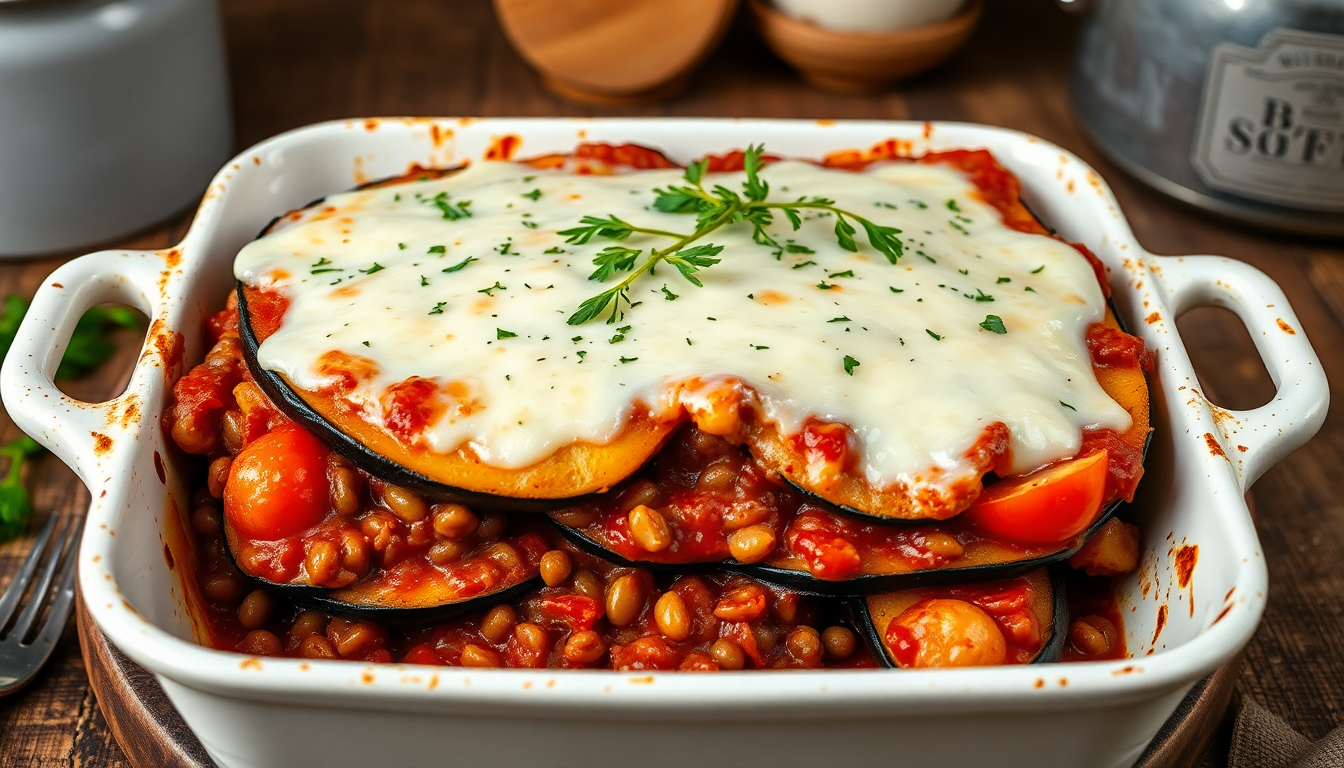
Greek Vegan Moussaka
Plant-based version of the classic layered casserole with lentils and eggplant.
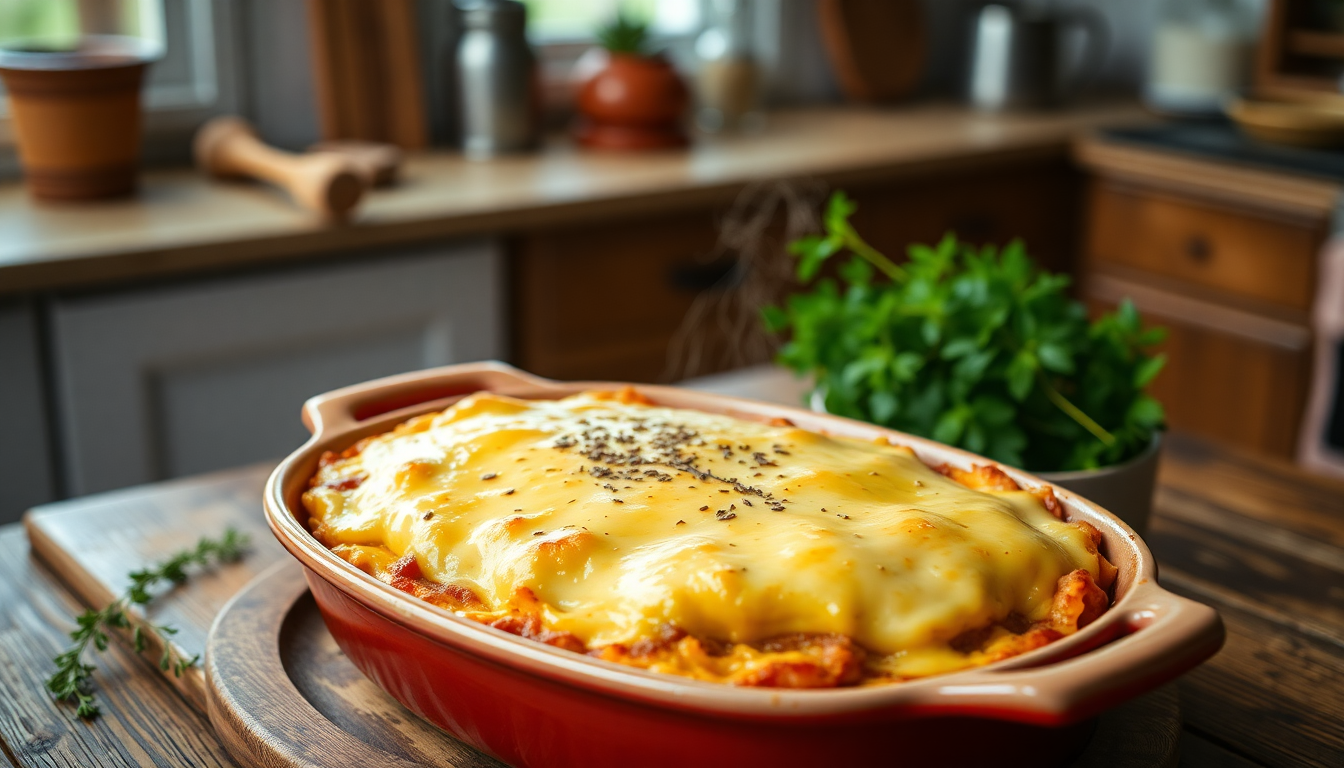
Greek Vegetarian Pastitsio
Meatless baked pasta with lentils and creamy béchamel sauce.

Greek Vegan Dolmades
Stuffed grape leaves with rice, herbs, and pine nuts.
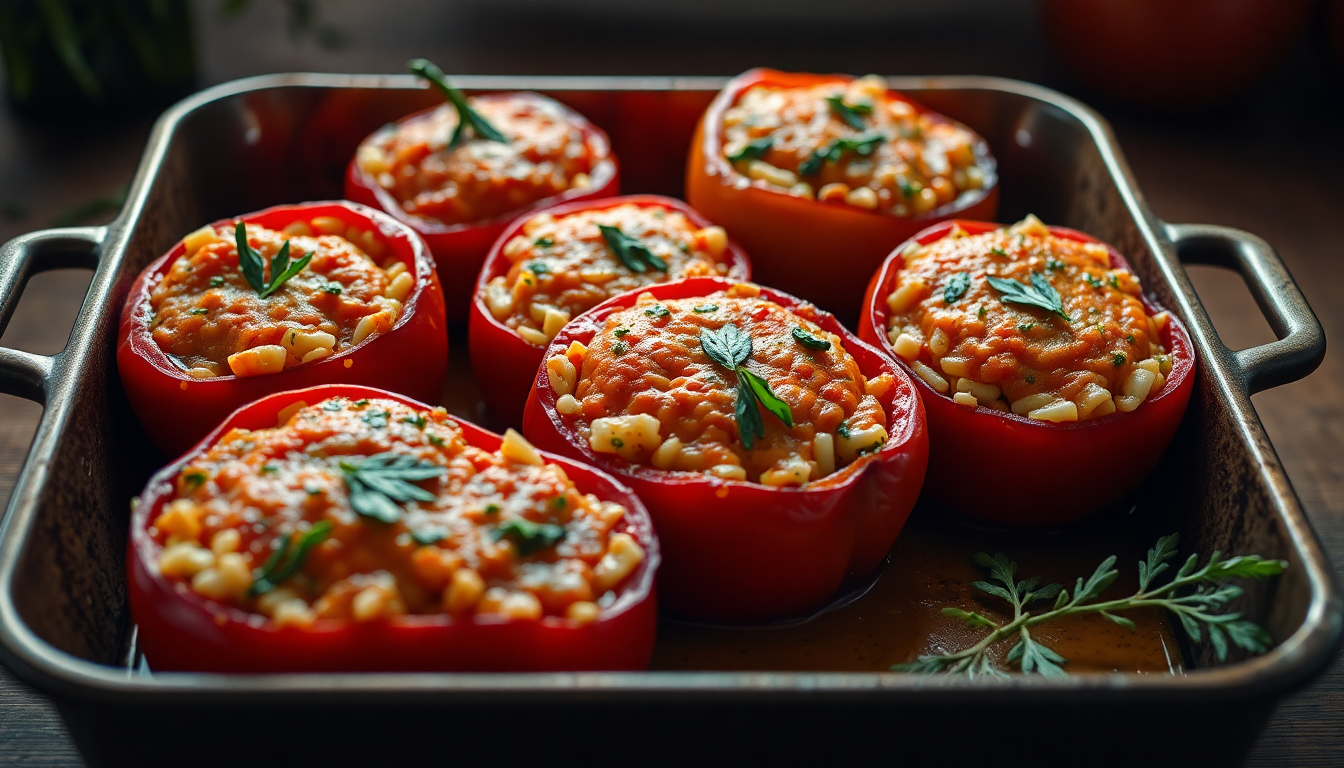
Greek Vegetarian Stuffed Peppers
Gemista with herbed rice, tomatoes, and Mediterranean spices.