Healthy Greek Recipes
Nutritious Mediterranean Dishes
The Mediterranean diet consistently ranks among the world's healthiest eating patterns, and Greek cuisine forms its flavorful foundation. Yet the perception persists that healthy food must sacrifice taste—that nutritious meals are somehow penance for indulgence. Greek cooking demolishes this false dichotomy.
Healthy Greek recipes achieve nutritional excellence through ingredient quality and preparation methods rather than restriction. Olive oil replaces butter. Vegetables dominate plates. Legumes provide protein. Herbs and spices deliver complexity without sodium or calories. The result is food that satisfies completely while supporting cardiovascular health, healthy weight, and longevity.
This collection focuses on preparations that maximize nutritional benefit without abandoning the pleasure of eating. These dishes represent the wellness-focused dimension of traditional Greek recipes, demonstrating how this cuisine naturally supports health through time-honored ingredients and techniques.
The Science Behind Mediterranean Wellness
Decades of research support what Greek villagers have known intuitively: this way of eating promotes health. The mechanisms extend beyond individual nutrients to encompass dietary patterns as a whole.
Cardiovascular Protection
Olive oil's monounsaturated fats reduce LDL cholesterol while maintaining HDL. The omega-3 fatty acids in seafood support heart rhythm and reduce inflammation. Fiber from vegetables, legumes, and whole grains improves lipid profiles and blood pressure. Together, these elements create powerful cardiovascular protection that pharmaceutical interventions struggle to match.
Anti-Inflammatory Effects
Chronic inflammation underlies numerous diseases, from arthritis to cancer. Greek cuisine combats inflammation through multiple pathways. Olive oil contains oleocanthal, a compound with ibuprofen-like anti-inflammatory properties. Tomatoes provide lycopene. Fatty fish deliver omega-3s. Herbs and spices contribute antioxidants. The cumulative effect is a dietary pattern that cools inflammatory processes throughout the body.
Glycemic Control
The combination of fiber, healthy fats, and protein in Greek meals slows carbohydrate absorption, preventing blood sugar spikes. Legumes have particularly low glycemic indices. Whole grains release energy gradually. Even desserts traditionally use honey rather than refined sugar, providing sweetness with modest glycemic impact.
Building a Healthy Greek Plate
The Vegetable Foundation
Half your plate should comprise vegetables—cooked, raw, or both. Greek cuisine offers endless possibilities: roasted eggplant, grilled zucchini, braised greens, fresh tomatoes, cucumber salads. Each preparation method yields different textures and flavors, preventing monotony while delivering vitamins, minerals, and fiber.
Strategic Protein
Fish and seafood should appear frequently—two to three times weekly minimum. Legumes provide plant-based protein several times per week. Poultry offers lean animal protein. Red meat becomes occasional rather than daily, reserved for celebrations rather than routine consumption.
Healthy Fats
Olive oil is the primary fat source, used generously but wisely. Nuts and seeds contribute additional healthy fats along with protein and fiber. Avocados, while not traditionally Greek, fit seamlessly into this pattern. The key is avoiding trans fats and excessive saturated fats from processed foods and fatty meats.
Whole Grains
Replace refined grains with whole alternatives. Bulgur, farro, and whole wheat provide more fiber and nutrients than white rice or pasta. These complex carbohydrates sustain energy levels and support digestive health.
Heart-Healthy Greek Recipes
Grilled Fish with Ladolemono
This simple preparation showcases how healthy eating requires no compromise on flavor.
Ingredients:
- 4 firm white fish fillets (sea bass, snapper, or cod)
- 1/3 cup extra virgin olive oil
- 1/4 cup fresh lemon juice
- 2 cloves garlic, minced
- 2 tablespoons fresh oregano, chopped
- Salt and pepper
- Lemon wedges for serving
Method:
Whisk together olive oil, lemon juice, garlic, oregano, salt, and pepper. Reserve half for serving.
Marinate fish in remaining mixture for 30 minutes. Grill over medium-high heat 4-5 minutes per side until fish flakes easily.
Serve drizzled with reserved ladolemono and lemon wedges.
Chickpea and Spinach Stew
Plant-based protein meets leafy greens in this nutrient-dense stew.
Ingredients:
- 2 cans (15 ounces each) chickpeas, drained and rinsed
- 1 pound fresh spinach, washed and chopped
- 1 large onion, diced
- 4 cloves garlic, minced
- 1 can (14 ounces) diced tomatoes
- 1/4 cup olive oil
- 1 teaspoon cumin
- 1/2 teaspoon smoked paprika
- 2 cups vegetable broth
- Salt and pepper
- Lemon juice
Method:
Heat olive oil in a large pot over medium heat. Sauté onion until soft, about 8 minutes. Add garlic and cook 1 minute.
Add cumin, paprika, chickpeas, tomatoes, and broth. Simmer 15 minutes.
Add spinach in batches, stirring until wilted. Simmer 5 more minutes. Season with salt, pepper, and lemon juice.
Greek Lentil Soup (Fakes)
This humble soup delivers extraordinary nutrition—fiber, protein, iron, and folate in every bowl.
Ingredients:
- 1 cup brown or green lentils
- 1 onion, diced
- 2 carrots, diced
- 2 celery stalks, diced
- 4 cloves garlic, minced
- 1 can (14 ounces) crushed tomatoes
- 6 cups vegetable broth
- 1/4 cup olive oil
- 2 bay leaves
- 1 teaspoon dried oregano
- Red wine vinegar
- Salt and pepper
Method:
Rinse lentils and check for stones. Heat 2 tablespoons olive oil in a large pot. Sauté onion, carrots, and celery until soft, about 10 minutes. Add garlic and cook 1 minute.
Add lentils, tomatoes, broth, bay leaves, and oregano. Bring to a boil, then reduce heat and simmer 30-40 minutes until lentils are tender.
Stir in remaining olive oil and season with salt and pepper. Serve with red wine vinegar for drizzling.
Stuffed Peppers with Quinoa
A modern twist on gemista that boosts protein and nutrition.
Ingredients:
- 6 large bell peppers
- 1 cup quinoa, rinsed
- 1 can (14 ounces) diced tomatoes
- 1 zucchini, diced
- 1 onion, diced
- 4 cloves garlic, minced
- 1/4 cup fresh parsley, chopped
- 2 tablespoons fresh mint, chopped
- 1/4 cup olive oil
- 1/4 cup pine nuts
- 2 tablespoons currants or raisins
- Vegetable broth
- Salt and pepper
Method:
Cut tops off peppers and remove seeds. Arrange in a baking dish.
Cook quinoa according to package directions.
Heat olive oil in a skillet. Sauté onion and zucchini until soft. Add garlic and cook 1 minute. Add tomatoes, herbs, pine nuts, and currants. Simmer 10 minutes.
Combine with cooked quinoa. Season with salt and pepper. Fill peppers with mixture.
Add broth to come halfway up peppers. Cover and bake at 375°F for 45 minutes. Uncover and bake 15 minutes more.
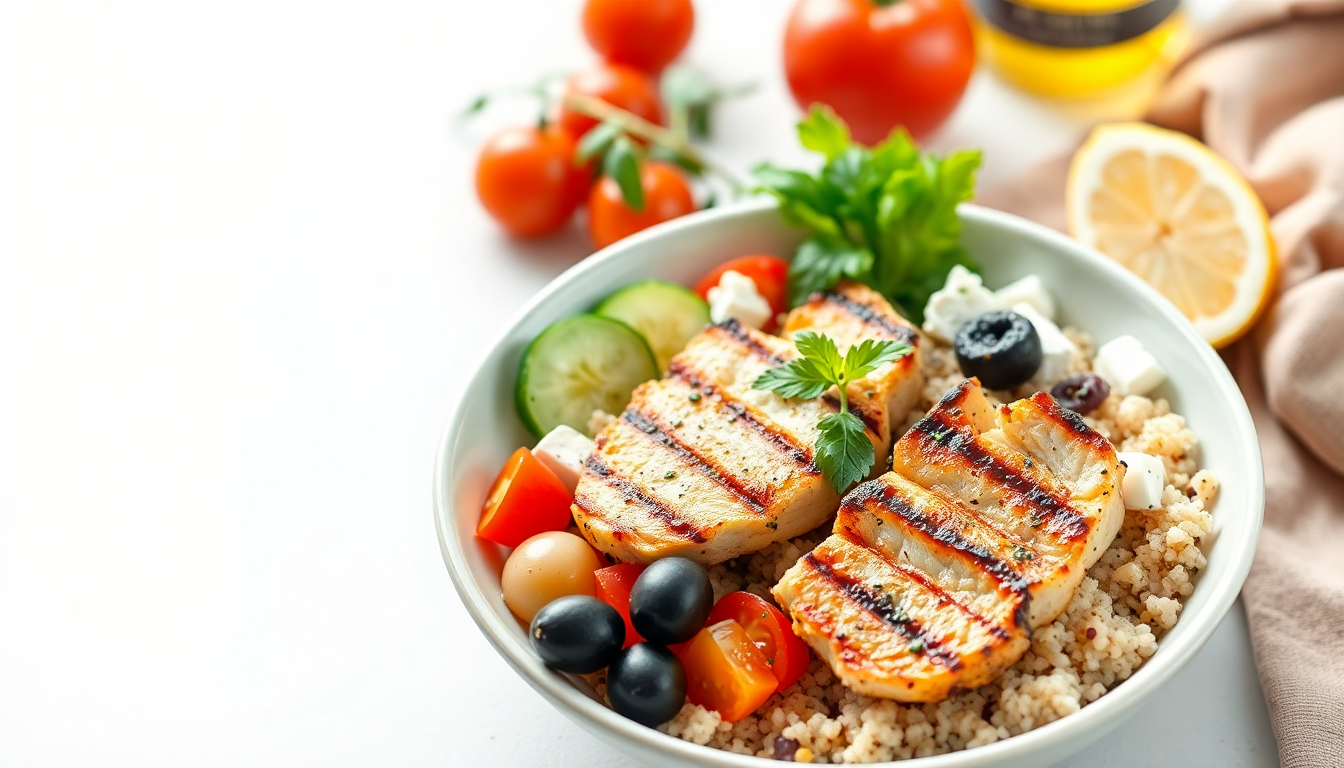
Greek Salad with Grilled Chicken
The classic horiatiki becomes a complete meal with lean protein.
Ingredients:
- 4 cups tomatoes, cut into wedges
- 2 cucumbers, sliced
- 1 red onion, thinly sliced
- 1 green bell pepper, sliced
- 1/2 cup Kalamata olives
- 4 ounces feta cheese, cubed
- 2 boneless, skinless chicken breasts
- 1/4 cup olive oil
- 2 tablespoons lemon juice
- 1 teaspoon dried oregano
- Salt and pepper
Method:
Whisk together 2 tablespoons olive oil, lemon juice, oregano, salt, and pepper. Marinate chicken for 30 minutes.
Grill chicken over medium-high heat until cooked through, about 6-7 minutes per side. Let rest, then slice.
Combine vegetables, olives, and feta in a large bowl. Drizzle with remaining olive oil and sprinkle with oregano. Top with sliced chicken.
Adapting Traditional Recipes for Health
Reducing Sodium
Greek cuisine traditionally relies on herbs and lemon rather than salt for flavor. Emphasize these elements. Use olives and feta strategically—they provide saltiness without requiring additional sodium.
Controlling Portion Sizes
Traditional Greek eating patterns naturally support healthy portions. Meals begin with vegetable dishes. Protein appears in moderate amounts. Bread fills remaining hunger. This structure prevents overconsumption without conscious restriction.
Choosing Cooking Methods
Grilling, baking, and braising predominate in healthy Greek cooking. Frying appears occasionally but not routinely. When frying is necessary, olive oil performs well at moderate temperatures and contributes beneficial compounds rather than harmful trans fats.
Embracing Plant-Forward Eating
The healthiest Greek eating patterns emphasize plants. Meat becomes seasoning rather than centerpiece. Vegetables, legumes, and grains provide bulk and satisfaction. This approach aligns with both traditional patterns and modern nutritional science.
Frequently Asked Questions
Is the Mediterranean diet actually healthy?
Extensive research confirms Mediterranean dietary patterns reduce cardiovascular disease, diabetes, and certain cancers. The diet emphasizes whole foods, healthy fats, and plant-based ingredients while minimizing processed foods and added sugars.
Can I lose weight eating Greek food?
Yes, when approached mindfully. Greek cuisine emphasizes vegetables, lean proteins, and healthy fats—foods that promote satiety. Controlling portions of higher-calorie items like olive oil, nuts, and cheese supports weight management without deprivation.
Is olive oil really that healthy?
Extra virgin olive oil contains monounsaturated fats that improve cholesterol profiles. It also provides antioxidants and anti-inflammatory compounds. However, it is calorie-dense, so moderation matters even with healthy fats.
What about the high fat content?
Greek cuisine uses generous olive oil, but this replaces less healthy fats rather than adding to them. The overall fat profile—mostly monounsaturated with omega-3s from fish—supports rather than harms cardiovascular health.
Are Greek desserts healthy?
Traditional Greek desserts use honey, nuts, and phyllo rather than refined sugar and butter. While still treats rather than staples, they generally offer better nutritional profiles than typical Western desserts. Portion control remains important.
Conclusion
Healthy Greek eating requires no special products, complicated rules, or sacrifice of pleasure. The cuisine naturally aligns with nutritional best practices through its emphasis on vegetables, olive oil, legumes, and seafood.
The recipes in this collection demonstrate that nutritious food can be deeply satisfying. They honor traditional preparations while supporting modern wellness goals. Whether seeking specific health outcomes or simply wanting to feel better, these dishes provide a delicious path forward.
The Mediterranean diet is not a temporary regimen but a sustainable way of eating. These recipes help establish patterns that can last a lifetime—patterns that happen to taste extraordinary while supporting longevity and vitality.
Explore Healthy Greek Recipes
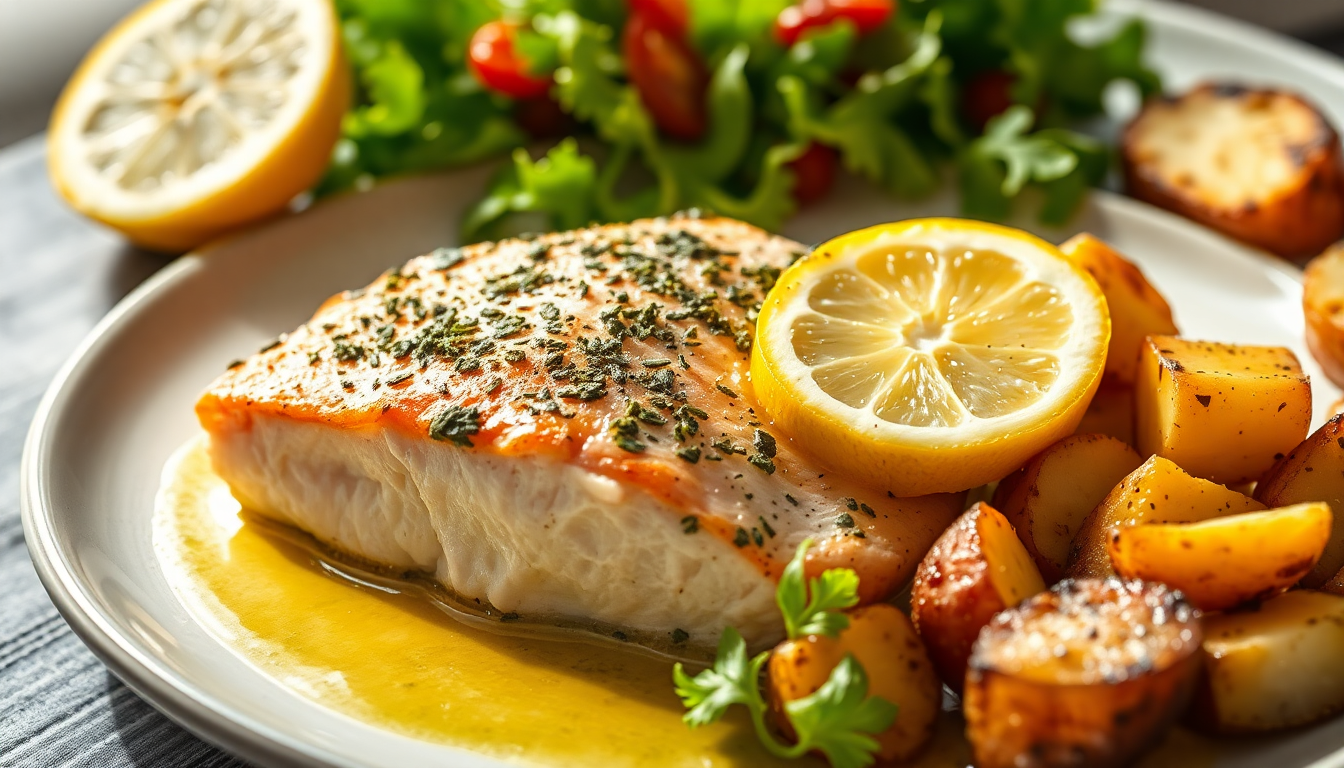
Greek Salmon Recipes
Heart-healthy omega-3 rich fish with Mediterranean herbs and lemon.
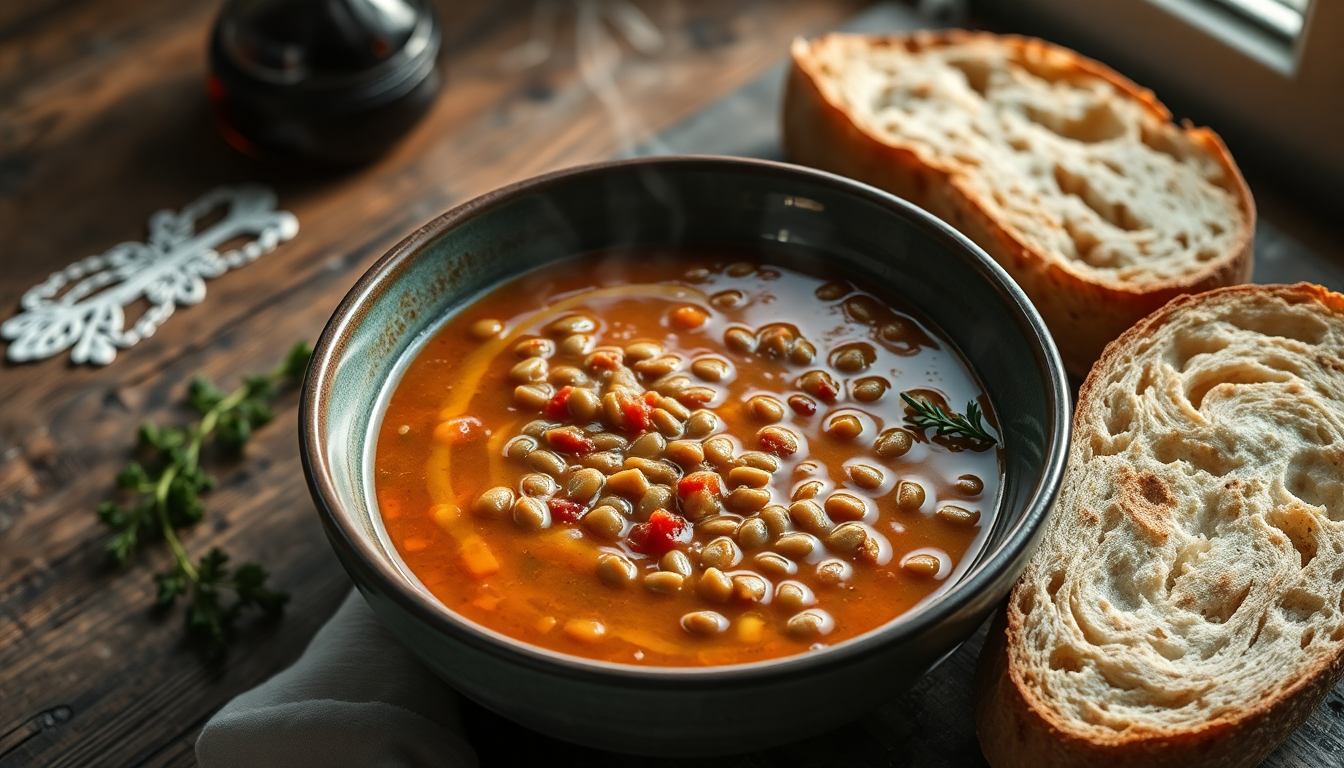
Greek Legume Recipes
Protein-rich lentils, chickpeas and giant beans in traditional preparations.
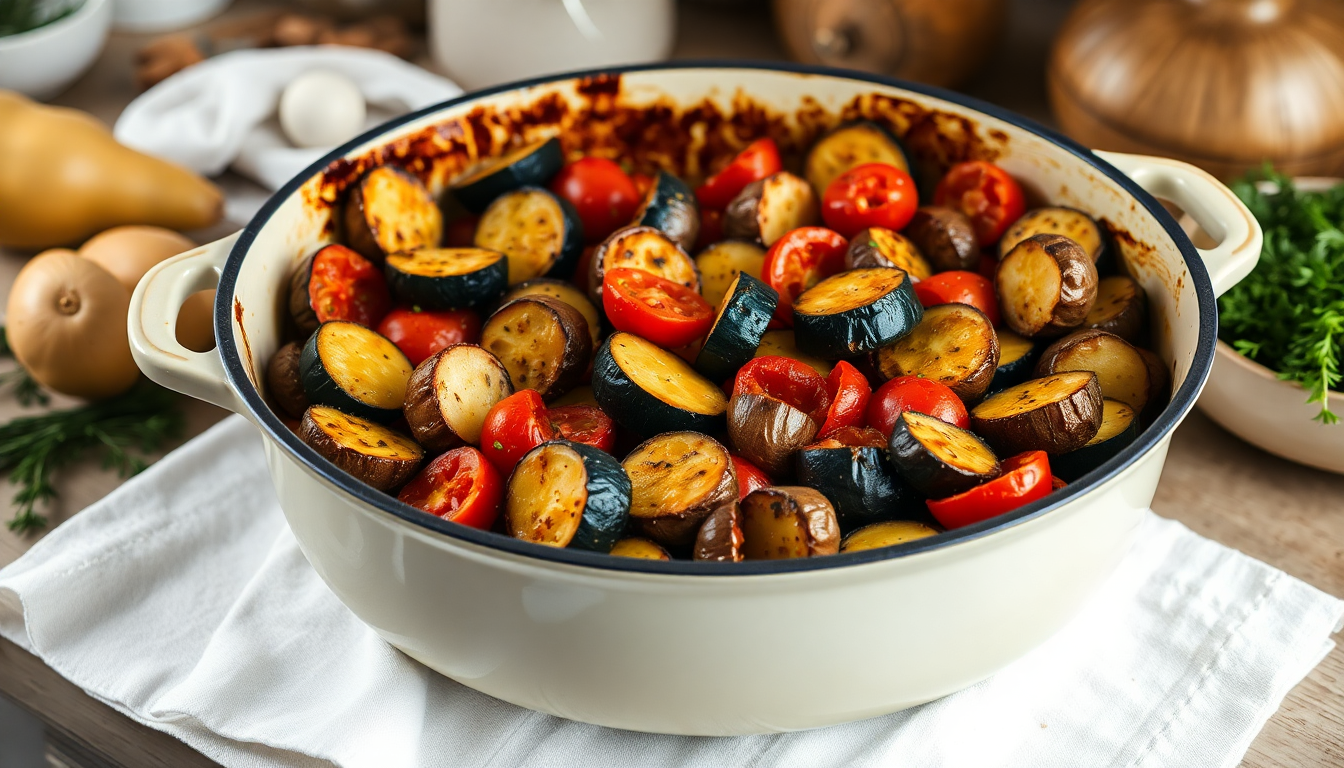
Greek Vegetable Dishes
Nutrient-dense plant-based preparations full of flavor.

Greek Yogurt Recipes
Probiotic-rich dishes featuring Greece's famous strained yogurt.