Plant-Based · Traditional · Protein-Rich
Greek Legume Recipes
The Complete Guide to Lentils, Chickpeas & Giant Beans in Traditional Greek Cooking
Greek legume cooking represents one of the world's most sophisticated plant-based traditions—a cuisine that sustained millions through centuries of economic hardship, religious fasting, and limited meat availability. While other Mediterranean cultures abandoned legumes as prosperity increased, Greece maintained these preparations because they delivered complete nutrition without sacrificing satisfaction. Understanding this tradition matters now more than ever as modern eaters seek healthy Greek recipes that reduce meat consumption without compromising protein or flavor.
This guide covers Greek legumes completely: the four varieties that form the protein foundation of traditional cooking, the specific techniques that transform them from digestive challenges to digestible nourishment, the religious context that mandated their mastery, and the complete protein combinations that sustained generations. Whether you seek greek recipes with chickpeas for weekly meal rotation or want to understand why Greek legume cooking differs fundamentally from other bean traditions, this article provides practical techniques rooted in historical necessity.
The Four Pillars of Greek Legume Cooking
Greek cuisine relies on four primary legumes, each serving distinct nutritional and culinary functions. Understanding these differences helps you choose the right bean for specific preparations.
Lentils (Fakes): The Fastest Protein
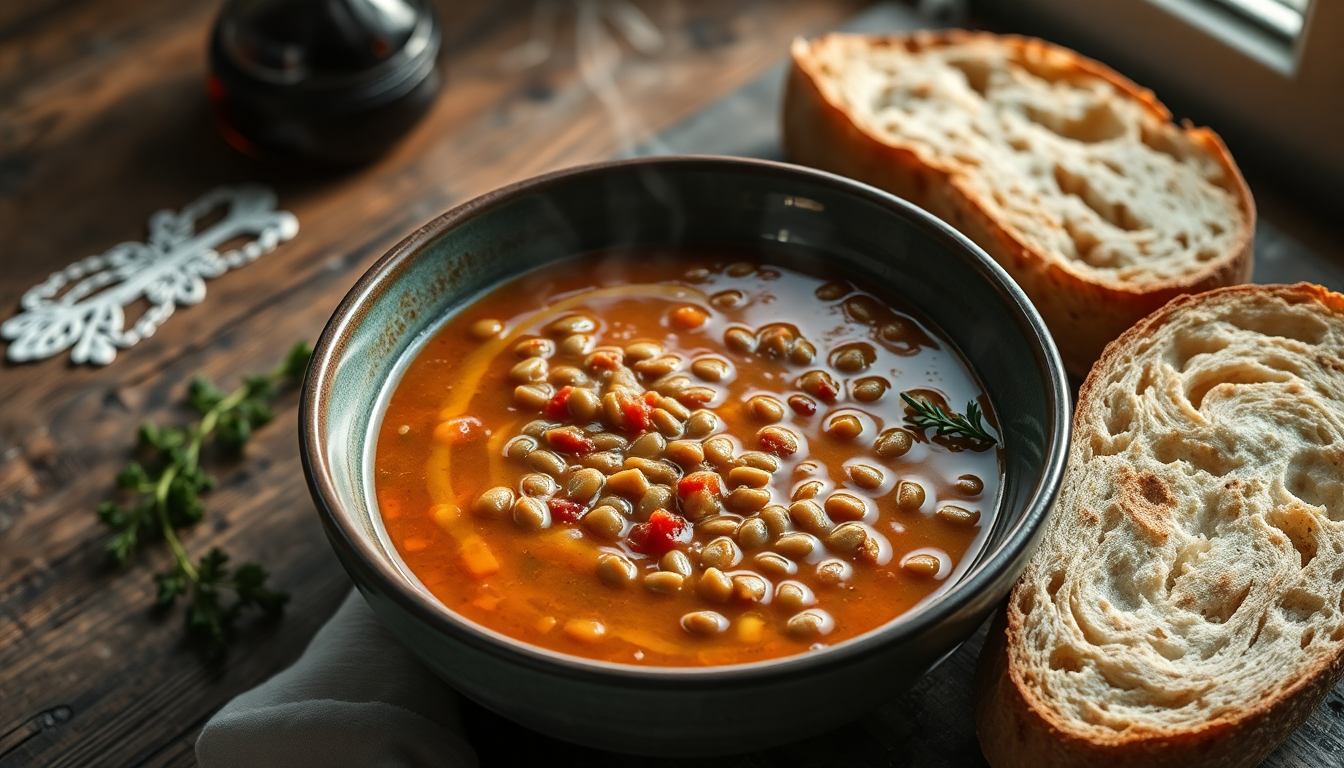
Lentils cook faster than any other dried legume—30-40 minutes without soaking—making them the weeknight solution in Greek kitchens. They contain the highest protein content among common legumes and provide significant iron, addressing the nutritional gap during fasting periods. Greek lentil soup (fakes) appears on tables year-round but dominates during winter and Lent.
The brown and green varieties are traditional in Greece. Red lentils (imported more recently) cook even faster but disintegrate into puree, making them suitable for soups but not salads or side dishes. Brown lentils hold their shape through cooking, providing the texture contrast that distinguishes proper fakes from thin, homogeneous lentil porridge.
Chickpeas (Revithia): The Versatile Staple
Chickpeas serve more functions in Greek cooking than any other legume. They form the base of revithada (slow-baked chickpea stew), appear in salads, become falafel in modern preparations, and even transform into dessert (revithosalata glykia). Their neutral flavor absorbs seasonings aggressively, making them ideal vehicles for bold Greek flavor profiles.
Dried chickpeas require overnight soaking and 2-3 hours of cooking—too long for spontaneous cooking but perfect for weekend preparation. The soaking water should be discarded; it contains the oligosaccharides responsible for gas. Adding baking soda to the cooking water (1/2 teaspoon per pound) accelerates softening and creates the creamy texture that distinguishes exceptional revithada.
Giant White Beans (Fasolia Gigantes): The Showstopper
Fasolia gigantes—literally "giant beans"—are the most distinctive Greek legume. These large white beans (similar to butter beans but larger) are baked in tomato sauce with herbs until creamy inside and slightly caramelized on top. They are the centerpiece of bean dishes, not a supporting player.
Authentic gigantes are imported from Greece and northern Macedonia. Substitute lima beans or large butter beans if unavailable, though the texture differs. The beans require overnight soaking and 1-2 hours of initial boiling before baking. The final baking in tomato sauce—with generous olive oil—transforms them from simple beans to a dish worth building a meal around.
Black-Eyed Peas (Mavromatika): The New Year Tradition
Black-eyed peas appear less frequently than the big three but hold cultural significance as the traditional New Year's dish. Cooked with vegetables and olive oil, they symbolize prosperity for the coming year. Their quick cooking time (no soaking required) and distinctive flavor make them worth including in your repertoire even outside January.
| Legume | Greek Name | Cook Time | Best For |
|---|---|---|---|
| Lentils | Fakes | 30-40 min (no soak) | Weeknight soups, quick protein |
| Chickpeas | Revithia | 2-3 hours + overnight soak | Weekend stews, salads, baking |
| Giant White Beans | Fasolia Gigantes | 2-3 hours + overnight soak | Baked dishes, centerpieces |
| Black-Eyed Peas | Mavromatika | 45-60 min (no soak) | New Year tradition, quick sides |
The Science of Digestibility: Traditional Techniques That Work
Legumes' reputation for causing gas has deterred many from regular consumption. Greek cooking developed specific techniques over centuries to address this problem—methods that modern science now validates.
Soaking: The Essential First Step
Soaking dried legumes removes oligosaccharides—complex sugars that human digestive enzymes cannot break down. When these sugars reach the large intestine, bacteria ferment them, producing gas. Soaking activates enzymes within the legume that begin breaking down these compounds before cooking.
Traditional Greek practice: Cover legumes with 3 inches of cold water and soak 8-12 hours. Change the water at least once during soaking—this is critical, not optional. The soaking water contains concentrated oligosaccharides; cooking legumes in their soaking water negates the benefit. Discard soaking water and cook in fresh liquid.
For chickpeas specifically, add 1/2 teaspoon baking soda to the soaking water. The alkaline environment helps break down the compounds that cause gas and reduces cooking time significantly.
Flavor Partners That Aid Digestion
Greek legume recipes invariably include ingredients that aid digestion beyond flavor contribution. Bay leaves contain enzymes that help break down legume starches. Kombu (used in some regional variations) provides minerals that improve digestibility. Even the standard combination of onion, carrot, and celery—the sofrito base of most Greek bean dishes—contributes fiber and compounds that support healthy digestion.
Orange peel is the secret ingredient in many traditional preparations. A 2-inch strip of organic orange peel added during cooking provides aromatic oils that reduce bloating. Remove before serving—the contribution is chemical, not flavor-based.
Acid Timing: The Texture Secret
Adding acidic ingredients (tomatoes, lemon, vinegar) to uncooked legumes toughens their skins and extends cooking time. Greek technique adds these only after legumes are fully tender. For fakes (lentil soup), tomatoes go in 10 minutes before the end. For gigantes plaki, beans are boiled until tender before meeting the tomato sauce for final baking.
This timing matters for texture as much as digestion. Legumes cooked with acid from the beginning develop leathery skins and mealy interiors. The same beans cooked in neutral liquid, then finished with acid, remain creamy inside with intact skins.
Olive Oil: The Digestive Aid
The generous olive oil in Greek legume dishes is not merely for flavor—it lubricates the digestive tract and provides fat-soluble nutrients that complement legume nutrition. The traditional Greek practice of adding olive oil both during cooking and as a finishing drizzle serves digestive as well as culinary purposes.
Religious Fasting: The Context That Shaped Mastery
Understanding Greek legume cooking requires understanding Greek Orthodox fasting traditions. The Church mandates approximately 180 fasting days per year—roughly half the calendar—during which believers abstain from meat, dairy, eggs, and fish with backbones. This religious requirement created generations of cooks who had to deliver complete nutrition without animal products.
The Lenten Landscape
Great Lent—the 40 days before Easter plus Holy Week—represents the most intensive fasting period. During this time, observant Greeks essentially follow a vegan diet. Legumes provide the protein, iron, and B-vitamins that would otherwise come from meat and dairy. A typical Lenten day might include lentil soup for lunch, chickpea stew for dinner, and tahini or nut-based desserts.
This was not optional asceticism but mandatory practice that shaped cuisine. Cooks who could make beans satisfying and nutritious kept their families healthy through periods that would cause malnutrition without proper technique. The expertise in Greek legume cooking exists because religious practice demanded it.
Complete Protein Without Meat
Individual legumes lack certain essential amino acids—specifically methionine, which legumes are low in. Greek cuisine solved this through traditional pairings that combine legumes with grains, creating complete protein equivalent to meat. This was not scientific understanding but practical observation: people who ate beans with bread stayed healthy; those who ate beans alone did not.
- Lentils + Bread: The classic combination. A bowl of fakes with crusty country bread delivers complete protein.
- Chickpeas + Rice or Pasta: Revithada served over rice or with pasta on the side creates nutritional completeness.
- Giant Beans + Bread: Gigantes plaki with bread is a standard taverna combination that satisfies as a main meal.
- Legume Salads with Tahini: Chickpea or bean salads dressed with tahini (sesame paste) add the missing amino acids through sesame protein.
Modern nutritional science confirms what Greek tradition discovered empirically: combining legumes with grains or seeds in the same meal provides all essential amino acids. You do not need to chase complete protein at every meal, but traditional Greek legume dishes are designed to deliver it.
Classic Greek Legume Preparations
Fakes: The National Lentil Soup
This is the foundational recipe—more households make this weekly than any other Greek dish. It requires no soaking, cooks in under an hour, and delivers nutrition that sustained generations through poverty and religious fasting.
Ingredients: 1 cup brown or green lentils, 1 onion diced, 2 carrots diced, 2 celery stalks diced, 4 cloves garlic minced, 1 can crushed tomatoes, 6 cups vegetable broth, 1/4 cup olive oil, 2 bay leaves, 1 teaspoon oregano, red wine vinegar, salt, and pepper.
Method: Rinse lentils and check for stones. Heat 2 tablespoons olive oil in a large pot. Sauté onion, carrots, and celery until soft, about 10 minutes. Add garlic and cook 1 minute. Add lentils, tomatoes, broth, bay leaves, and oregano. Bring to a boil, then reduce heat and simmer 30-40 minutes until lentils are tender. Stir in remaining olive oil and season with salt and pepper. The essential final step: serve with red wine vinegar at the table for each person to add to taste. The acid brightens the earthy lentils and transforms the dish.
Revithada: Slow-Baked Chickpeas
This preparation separates chickpea enthusiasts from casual consumers. Proper revithada requires 3-4 hours of slow baking, during which chickpeas absorb olive oil, lemon, and herbs while developing a creamy interior and slightly caramelized exterior. The result bears no resemblance to canned chickpeas heated with seasoning.
Ingredients: 1 pound dried chickpeas (soaked overnight), 1/2 cup olive oil, juice of 2 lemons, 4 cloves garlic sliced, 1 onion diced, 2 teaspoons oregano, 1 bay leaf, salt, and pepper.
Method: Drain soaked chickpeas and place in a Dutch oven or baking dish. Add all ingredients and enough water to cover by 1 inch. Cover tightly and bake at 325°F for 3-4 hours, checking occasionally and adding water if needed. The chickpeas are done when they crush easily against the roof of your mouth with your tongue. Some liquid should remain—this is the sauce, not a flaw. Serve with crusty bread for soaking.
Gigantes Plaki: Baked Giant Beans
This is the showpiece of Greek legume cooking—large white beans baked until creamy inside and slightly caramelized on top. It is substantial enough to be a main course and elegant enough for guests.
Ingredients: 1 pound dried gigantes or large butter beans (soaked overnight), 1 can crushed tomatoes, 1 onion diced, 4 cloves garlic minced, 1/2 cup olive oil, 2 tablespoons tomato paste, 1 teaspoon sugar, 2 teaspoons dried oregano, fresh parsley, salt, and pepper.
Method: Drain soaked beans and boil in fresh water until partially tender, about 1 hour. Drain, reserving 1 cup cooking liquid. Sauté onion and garlic in 2 tablespoons olive oil until soft. Add tomatoes, tomato paste, sugar, oregano, and reserved bean liquid. Simmer 10 minutes to create sauce. Combine beans and sauce in a baking dish. Drizzle remaining olive oil over top. Bake uncovered at 375°F for 45-60 minutes until beans are fully tender and sauce has reduced. The top should be slightly caramelized; the interior creamy. Cool 10 minutes before serving—gigantes improve as they rest.
Dried vs. Canned: Making the Right Choice
The dried vs. canned debate has practical answers based on use case, not ideology.
When Dried is Superior
Use dried legumes for: soups and stews where texture matters; salads where beans must hold shape; baked preparations like gigantes or revithada; any dish where beans are the centerpiece. Dried legumes offer superior texture, better flavor absorption, and the ability to control salt. They are also significantly cheaper.
When Canned is Acceptable
Quality canned legumes work for: weeknight quick meals where convenience outweighs texture; puréed preparations like hummus or dips; emergency meals. When using canned, rinse thoroughly—this removes approximately 40% of the sodium and the starchy liquid that causes gas.
Quality Indicators for Canned
Not all canned legumes are equal. Look for: beans without added sugar (some brands add glucose for preservation); BPA-free lining (check label); legumes without calcium chloride, which keeps them firm but affects texture negatively; beans that look intact, not mushy, through the can window.
Meal Prep and Storage
Greek legumes excel at meal preparation—their flavors improve over 24-48 hours as they absorb seasonings fully.
Cooking in Batches
Prepare large quantities of dried legumes on weekends. Cook 2-3 pounds of each variety, portion into containers, and refrigerate or freeze. Cooked legumes keep 5 days refrigerated, 3 months frozen. Having pre-cooked beans transforms weeknight cooking—soup becomes a 20-minute assembly rather than a 2-hour process.
Storage Best Practices
Store cooked legumes in their cooking liquid—this prevents drying and freezer burn. For frozen portions, leave 1/2 inch headspace for expansion. Thaw overnight in refrigerator or use the defrost setting on your microwave. Never thaw at room temperature, which creates bacterial risk.
Revitalizing Leftovers
Leftover legumes transform easily: Thin fakes with broth for a lighter soup the next day. Mash revithada with lemon and tahini for a quick dip. Toss gigantes with fresh herbs and diced vegetables for a room-temperature salad. The sturdy texture of properly cooked legumes makes them more versatile than most leftovers.
Frequently Asked Questions
What are the most common legumes in Greek cooking?
The most common legumes in Greek cuisine are lentils (fakes), chickpeas (revithia), white beans (fasolia gigantes), and black-eyed peas (mavromatika). Lentils appear most frequently in soups, chickpeas are essential for revithada and salads, and giant white beans are baked with tomato sauce (gigantes plaki). These legumes form the protein foundation of traditional Greek cooking, especially during fasting periods.
How do Greeks prepare legumes to reduce gas and improve digestion?
Traditional Greek preparation includes several digestibility techniques: Soaking dried legumes 8-12 hours and changing the water multiple times removes oligosaccharides that cause gas. Adding bay leaves, kombu, or a strip of orange peel during cooking aids digestion. Starting legumes in cold water and bringing to a slow simmer prevents skin splitting. Adding acidic ingredients like tomatoes only after legumes are tender prevents toughening. These methods passed down through generations make legumes more digestible without sacrificing texture.
Are legumes a complete protein in Greek cuisine?
While legumes alone lack certain essential amino acids, Greek cuisine naturally combines them with complementary foods to create complete proteins. Legumes served with grains—like lentils with rice, chickpeas with bread, or beans with pasta—provide all essential amino acids in the same meal. This traditional pairing, developed over centuries, ensures adequate protein intake during fasting periods when meat is prohibited. A bowl of fakes (lentil soup) with crusty bread delivers complete protein equivalent to meat.
Why are legumes important in Greek Orthodox fasting?
Greek Orthodox fasting periods prohibit meat, dairy, and eggs for approximately 180 days per year. Legumes provide the essential protein, iron, and nutrients that would otherwise come from animal products. During Lent, legumes appear at nearly every meal—lentil soups for lunch, chickpea stews for dinner, bean salads as sides. The Church essentially mandated a plant-based diet half the year, and legumes made this sustainable. This religious practice shaped Greek cuisine's expertise with beans and lentils.
Should I use dried or canned legumes for Greek recipes?
Dried legumes are traditional and preferred for flavor and texture—they hold their shape better and absorb seasoning more deeply. However, quality canned legumes work well for weeknight cooking. When using canned, rinse thoroughly to remove excess sodium and the starchy liquid that can cause gas. For soups and stews where texture matters less, canned is acceptable. For salads and dishes where appearance counts, dried is superior. Traditional Greek cooks use dried almost exclusively, planning ahead with overnight soaking.
Why does my lentil soup turn mushy?
Mushy lentil soup results from overcooking or using red lentils instead of brown/green varieties. Red lentils are designed to disintegrate into puree; they are the wrong choice for soup with texture. Brown and green lentils hold shape when cooked properly. The other common cause is adding acidic ingredients (tomatoes, vinegar) too early. Acid toughens lentil skins initially, then causes them to burst after extended cooking. Add tomatoes only during the final 10 minutes of cooking.
How do I make gigantes plaki without dried giant beans?
If authentic gigantes are unavailable, substitute large butter beans or lima beans. Soak overnight and cook using the same method. The texture will be slightly different—butter beans are creamier, less firm than gigantes—but the result remains delicious. Avoid small white beans (navy beans); they lack the substantial presence that makes gigantes a main course rather than a side dish.
Can I make these recipes in a pressure cooker or Instant Pot?
Yes, with adjustments. Lentils cook in 10-12 minutes at high pressure (no soaking needed). Chickpeas require 35-40 minutes with natural release. Giant beans need 25-30 minutes. Reduce liquid by 1/4 for pressure cooking—less evaporation occurs. Add tomatoes and acidic ingredients after pressure cooking to prevent toughening. While pressure cooking saves time, slow baking (for revithada and gigantes) develops flavors that pressure cooking cannot replicate. For weeknight meals, pressure cooking works. For optimal flavor, traditional methods excel.
Conclusion
Greek legume cooking represents a practical solution to nutritional challenges that remained relevant for centuries. The techniques developed to make beans digestible, satisfying, and nutritionally complete arose from necessity—religious fasting and economic constraint—but they deliver benefits that modern eaters increasingly seek. Whether motivated by health, environmental concern, or budget, the Greek approach to legumes offers a tested framework.
The essential principles are simple: soak properly to remove gas-causing compounds, cook with digestibility aids like bay leaves, combine legumes with grains for complete protein, add acids only after legumes are tender, and use olive oil generously for both flavor and nutrition. Master fakes (lentil soup) for weeknight efficiency, revithada for weekend satisfaction, and gigantes plaki for impressive presentations.
These dishes sustained generations through hardship and fasting without sacrificing satisfaction or health. They can do the same for you, whether you seek healthy Greek recipes for weekly rotation, greek recipes with chickpeas for plant-based protein, or simply delicious food that happens to be exceptionally nutritious. The Greek legume tradition proves that limitation breeds mastery—and that mastery produces dishes worth eating regardless of circumstance.
Explore more healthy Greek recipes including Greek salmon dishes and vegetarian preparations, or visit our main Greek recipes collection for complete Mediterranean cooking guidance.