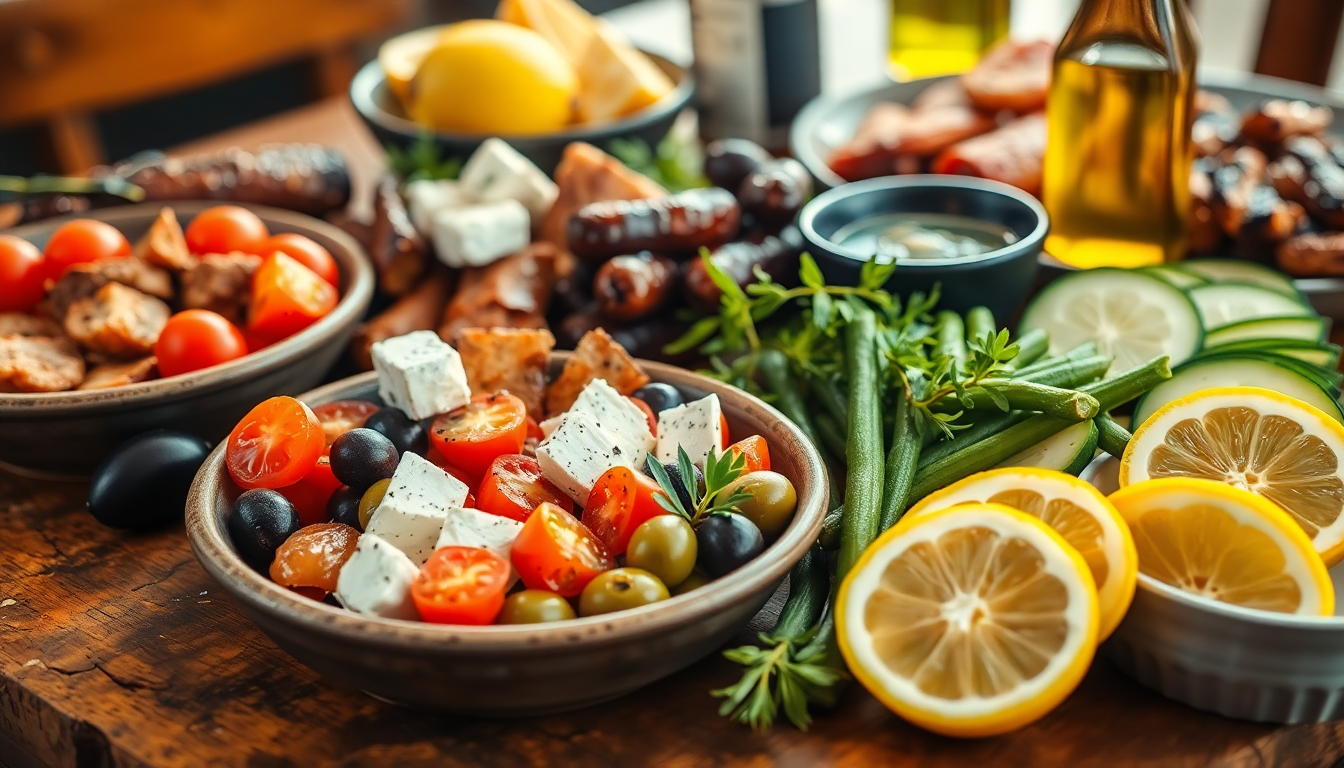
Authentic Traditional Greek Recipes
Time-Honored Mediterranean Classics
The culinary traditions of Greece represent one of the world's oldest continuous food cultures, with roots extending back thousands of years. These authentic Greek recipes have been preserved and passed down through generations, maintaining their essential character while adapting to changing times.
What distinguishes traditional Greek recipes from modern interpretations is their adherence to time-honored techniques and regional ingredients. These are the dishes prepared in Greek village kitchens, at family celebrations, and during religious observances. They represent not merely sustenance but cultural heritage embodied in food.
This exploration of classic Greek recipes covers the essential preparations that define the cuisine. From the layered complexity of moussaka to the humble simplicity of fasolada, these recipes provide a comprehensive introduction to authentic Greek home cooking and represent one dimension of the broader world of traditional Greek recipes.
The Character of Traditional Greek Cooking
Authentic Greek cuisine developed in a specific geographical and cultural context. The mountainous mainland, countless islands, and surrounding seas created distinct regional variations while shared historical experiences produced common threads throughout the cuisine.
Regional Diversity
Greek cooking varies significantly by region. The Peloponnese is known for rich stews and olive oil-based dishes. The islands emphasize seafood and simpler preparations. Northern Greece shows influences from neighboring Balkan cuisines. Understanding these regional differences enriches appreciation of the cuisine's breadth.
Despite this diversity, certain elements unite Greek cooking across regions. The prominence of olive oil, the use of lemon and oregano, the importance of fresh vegetables, and the tradition of philoxenia—generous hospitality—appear everywhere.
Seasonal and Religious Cycles
Traditional Greek cooking follows natural rhythms. Certain dishes associate with specific seasons: artichokes in spring, tomatoes in summer, wild greens after winter rains. Religious observances also shape the culinary calendar. Lenten periods require vegan preparations. Easter demands specific celebratory foods. Christmas and New Year have their own traditional dishes.
These cycles are not merely customs but practical adaptations to climate and resource availability that have proven their wisdom over centuries.
Essential Traditional Recipes
The following recipes represent the core repertoire of authentic Greek cooking. Mastering these provides foundation for countless variations and regional adaptations.
Moussaka
This iconic casserole exemplifies the complexity possible in Greek cuisine. Layers of eggplant, spiced meat sauce, and béchamel create a dish that is simultaneously rustic and elegant.
Ingredients:
- 3 large eggplants, sliced
- 1.5 pounds ground lamb or beef
- 1 large onion, grated
- 2 cloves garlic, minced
- 1 can (14 ounces) crushed tomatoes
- 1/2 cup red wine
- 1 teaspoon cinnamon
- 1/2 teaspoon allspice
- 1/4 cup fresh parsley, chopped
- 1/2 cup olive oil, divided
- Salt and pepper
- For béchamel: 4 tablespoons butter, 1/4 cup flour, 2 cups milk, 2 egg yolks, 1/2 cup grated kefalotyri or Parmesan
Method:
Slice eggplants and salt generously. Let drain for 30 minutes to remove bitterness. Rinse and pat dry. Fry or brush with olive oil and roast at 400°F until tender and golden.
For meat sauce, sauté onion in olive oil until soft. Add garlic and cook 1 minute. Add ground meat and brown thoroughly. Add tomatoes, wine, cinnamon, allspice, parsley, salt, and pepper. Simmer 30 minutes until thickened.
For béchamel, melt butter and whisk in flour. Cook 2 minutes. Gradually add milk, whisking constantly until smooth and thickened. Remove from heat. Temper egg yolks with a little hot sauce, then whisk into béchamel. Stir in cheese.
Layer eggplant, meat sauce, and béchamel in a baking dish. Bake at 375°F for 45 minutes until golden and bubbling. Rest 20 minutes before serving.
Pastitsio
Often called Greek lasagna, pastitsio is properly understood as a distinct dish with unique character. The cinnamon-scented meat sauce and tubular pasta create something entirely different from its Italian counterpart.
Ingredients:
- 1 pound bucatini or thick spaghetti
- 1.5 pounds ground beef
- 1 large onion, grated
- 2 cloves garlic, minced
- 1 can (14 ounces) crushed tomatoes
- 1/2 cup red wine
- 1 teaspoon cinnamon
- 1/4 teaspoon nutmeg
- 1/2 cup olive oil
- 1/2 cup grated kefalotyri or Parmesan
- 2 eggs, beaten
- For béchamel: 5 tablespoons butter, 1/3 cup flour, 3 cups milk, 3 egg yolks, 1 cup grated cheese
Method:
Cook pasta until al dente. Drain and toss with 2 tablespoons olive oil, 1/4 cup cheese, and beaten eggs. Set aside.
For meat sauce, sauté onion in olive oil until golden. Add garlic and cook 1 minute. Add beef and brown thoroughly. Add tomatoes, wine, cinnamon, nutmeg, salt, and pepper. Simmer 45 minutes until thick.
Prepare béchamel as for moussaka, using larger quantities.
Layer half the pasta in a buttered baking dish. Top with all the meat sauce. Layer remaining pasta. Pour béchamel over top. Sprinkle with remaining cheese. Bake at 375°F for 45-50 minutes until golden. Rest 20 minutes before serving.
Stifado
This beef stew demonstrates the Greek mastery of slow-cooked dishes. The quantity of onions—traditionally equal to the meat—creates a sweet, rich sauce that defines the preparation.
Ingredients:
- 2 pounds beef stew meat, cubed
- 2 pounds small pearl onions, peeled
- 1/2 cup olive oil
- 1/2 cup red wine vinegar
- 1 cup red wine
- 2 cloves garlic, minced
- 1 can (14 ounces) crushed tomatoes
- 2 tablespoons tomato paste
- 1 cinnamon stick
- 3 cloves
- 1 teaspoon sugar
- Salt and pepper
Method:
Season beef with salt and pepper. Brown in olive oil in batches. Remove and set aside.
Add onions to the pot and sauté until lightly golden. Add garlic and cook 1 minute. Add vinegar and scrape up browned bits. Add wine, tomatoes, tomato paste, cinnamon, cloves, sugar, and beef.
Bring to a boil, then reduce heat to very low. Cover and simmer 2-2.5 hours until beef is fork-tender and onions have melted into the sauce. Remove cinnamon stick before serving.
Youvetsi
This baked orzo dish represents the Greek tradition of oven-baked pasta preparations. Chicken and orzo cook together in a rich tomato sauce, creating a comforting one-dish meal.
Ingredients:
- 6 chicken thighs, bone-in, skin-on
- 2 cups orzo pasta
- 1 large onion, diced
- 3 cloves garlic, minced
- 1 can (14 ounces) crushed tomatoes
- 2 cups chicken broth
- 1/2 cup red wine
- 1/4 cup olive oil
- 1 teaspoon dried oregano
- 1 bay leaf
- 1/2 cup grated kefalotyri or Parmesan
- Salt and pepper
Method:
Season chicken with salt, pepper, and oregano. Brown in olive oil in an oven-safe pot. Remove and set aside.
Sauté onion until soft. Add garlic and cook 1 minute. Add orzo and toast 2 minutes. Add tomatoes, broth, wine, and bay leaf. Bring to a simmer.
Nestle chicken into the orzo. Cover and bake at 375°F for 45 minutes. Remove cover, sprinkle with cheese, and bake 15 minutes more until golden.
Yemista
Stuffed vegetables represent the Greek art of ladera—olive oil-based dishes. Tomatoes, peppers, zucchini, and eggplant are filled with herbed rice and baked until meltingly tender.
Ingredients:
- 4 large tomatoes
- 2 bell peppers
- 2 zucchini
- 1 eggplant (optional)
- 1.5 cups rice
- 1 large onion, grated
- 3 cloves garlic, minced1/2 cup fresh parsley, chopped
- 1/4 cup fresh mint, chopped
- 1/3 cup olive oil, plus more for drizzling
- 1 can (14 ounces) crushed tomatoes
- 2 potatoes, cut into wedges (for the pan)
- Salt and pepper
Method:
Cut tops off tomatoes and peppers. Scoop out flesh and seeds, reserving tomato pulp. Cut zucchini and eggplant in half lengthwise and scoop out centers.
Sauté onion in olive oil until soft. Add garlic and cook 1 minute. Add rice and toast 2 minutes. Add reserved tomato pulp, crushed tomatoes, herbs, salt, and pepper. Cook 5 minutes. Remove from heat.
Fill vegetables three-quarters full with rice mixture. Arrange in a baking dish with potato wedges. Drizzle generously with olive oil. Add water to come halfway up vegetables.
Cover and bake at 375°F for 45 minutes. Uncover and bake 30 minutes more until vegetables are tender and rice is cooked.
Traditional Techniques Worth Mastering
Working with Eggplant
Many traditional recipes require proper eggplant preparation. Salting removes bitterness and excess moisture. Roasting rather than frying reduces oil absorption while developing flavor. These techniques transform eggplant from potentially problematic to silky and delicious.
The Art of the Avgolemono
This egg-lemon sauce thickens soups and dresses vegetables. The key is tempering—adding hot liquid slowly to beaten eggs to prevent curdling. Mastering avgolemono opens doors to numerous classic preparations.
Slow Cooking
Many traditional dishes cannot be rushed. Stifado, kokkinisto, and braised vegetables develop depth only through extended, gentle cooking. These are weekend projects, not weeknight meals, but the results justify the investment.
Proper Use of Olive Oil
Traditional Greek cooking uses olive oil generously. It is not merely a cooking medium but a primary ingredient. Understanding when to add it—at the beginning for sautéing, at the end for finishing—makes the difference between good and exceptional results.
Preserving Tradition in Modern Kitchens
Cooking traditional recipes in contemporary settings requires adaptation without compromise. Quality ingredients remain essential—seek out authentic feta, good olive oil, and fresh herbs. Time-saving techniques can help: canned tomatoes when fresh are unavailable, food processors for chopping, slow cookers for braises.
But some elements cannot be rushed. The slow caramelization of onions, the gradual melding of flavors in a stew, the resting time for baked dishes—these remain non-negotiable.
The reward is connection to a culinary tradition that has sustained generations. These recipes carry history, geography, and culture in every bite.
Frequently Asked Questions
What makes a recipe "authentic"?
Authenticity in Greek cooking means adherence to traditional techniques and ingredient combinations. It does not require impossible-to-source ingredients or prohibit sensible adaptations. The spirit of the recipe matters more than rigid adherence to every detail.
Are traditional Greek recipes difficult?
Some are, some are not. Many traditional dishes are quite simple. Others, like moussaka, involve multiple components and require time. The recipes in this collection span the range, allowing cooks to choose based on their skill level and available time.
Can traditional recipes be made ahead?
Absolutely. Most traditional Greek dishes improve with time. Stews and braises taste better the next day. Baked dishes can be assembled in advance. This make-ahead quality makes them practical for entertaining.
Where can I find authentic ingredients?
Greek or Middle Eastern markets offer the best selection. Online sources provide access to specialty items. Some ingredients—good olive oil, fresh vegetables, quality meat—are available anywhere but require careful selection.
How do I learn more about regional variations?
Each region of Greece has distinct specialties. Exploring cookbooks focused on specific areas, seeking out Greek cooking classes, and connecting with Greek home cooks all deepen understanding of the cuisine's diversity.
Conclusion
Authentic traditional Greek recipes offer more than instructions for preparing food. They provide connection to a living culinary tradition that has evolved over millennia while maintaining its essential character.
These recipes reward patience, respect for ingredients, and attention to technique. They demonstrate that the best cooking does not require novelty or complexity—only quality, care, and time.
The dishes presented here represent starting points. As familiarity grows, so does confidence to adapt, improvise, and make these recipes your own while honoring their origins.
Explore Authentic Greek Recipes
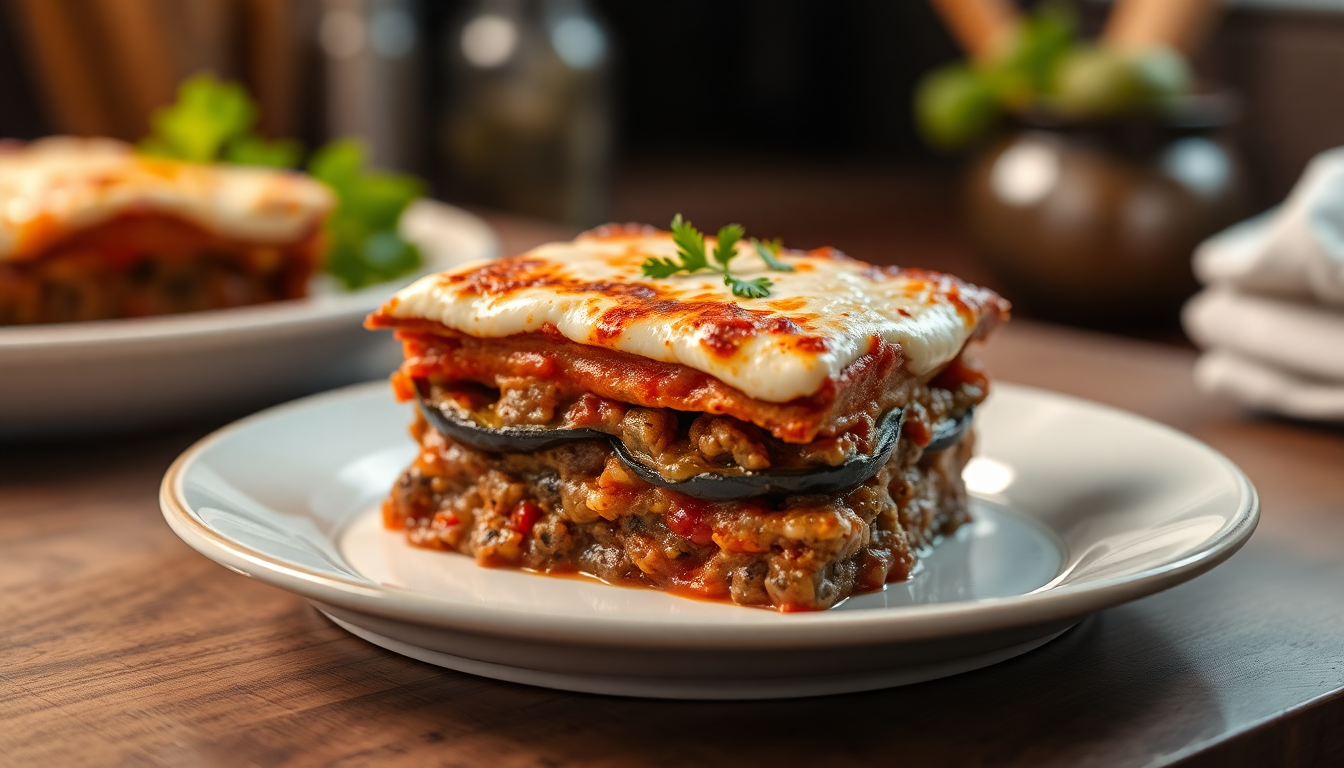
Greek Moussaka Recipe
The iconic layered casserole with eggplant, meat sauce, and béchamel.
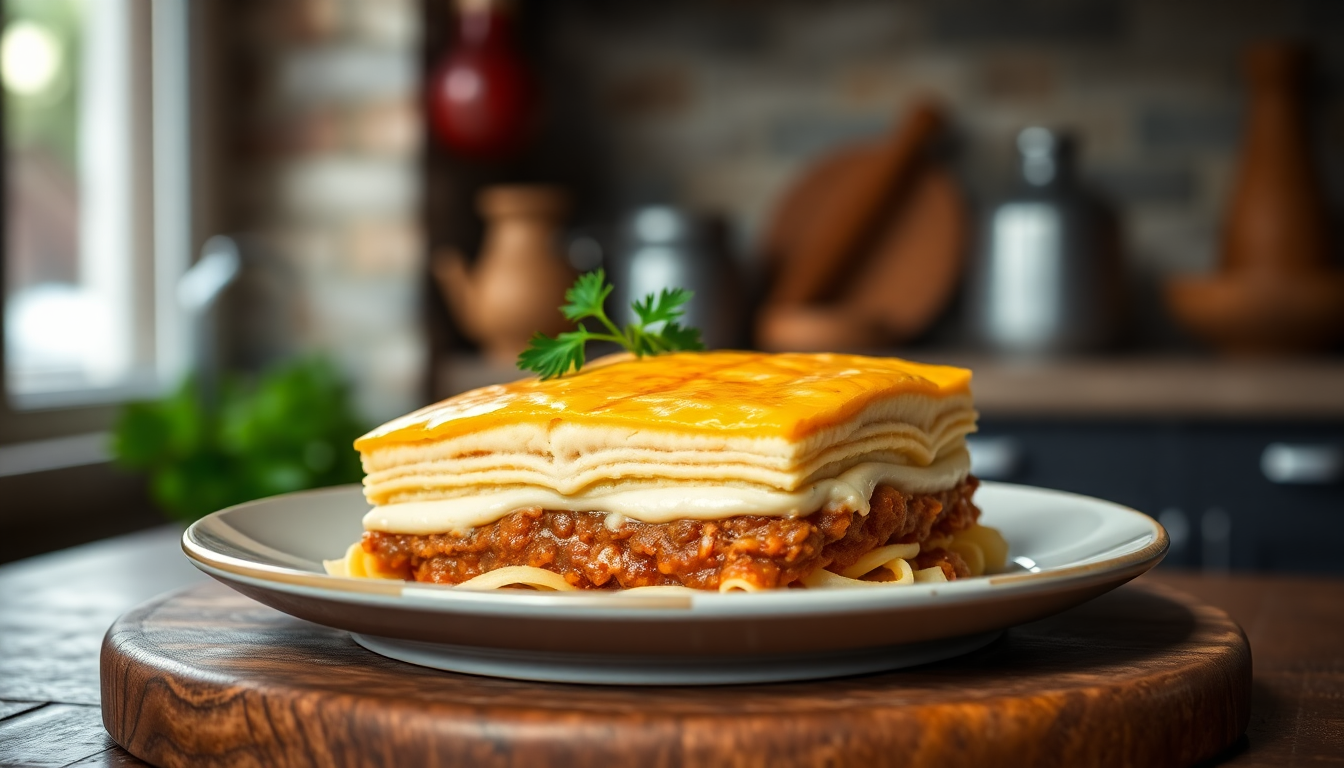
Greek Pastitsio Recipe
Classic baked pasta with cinnamon-scented meat sauce.
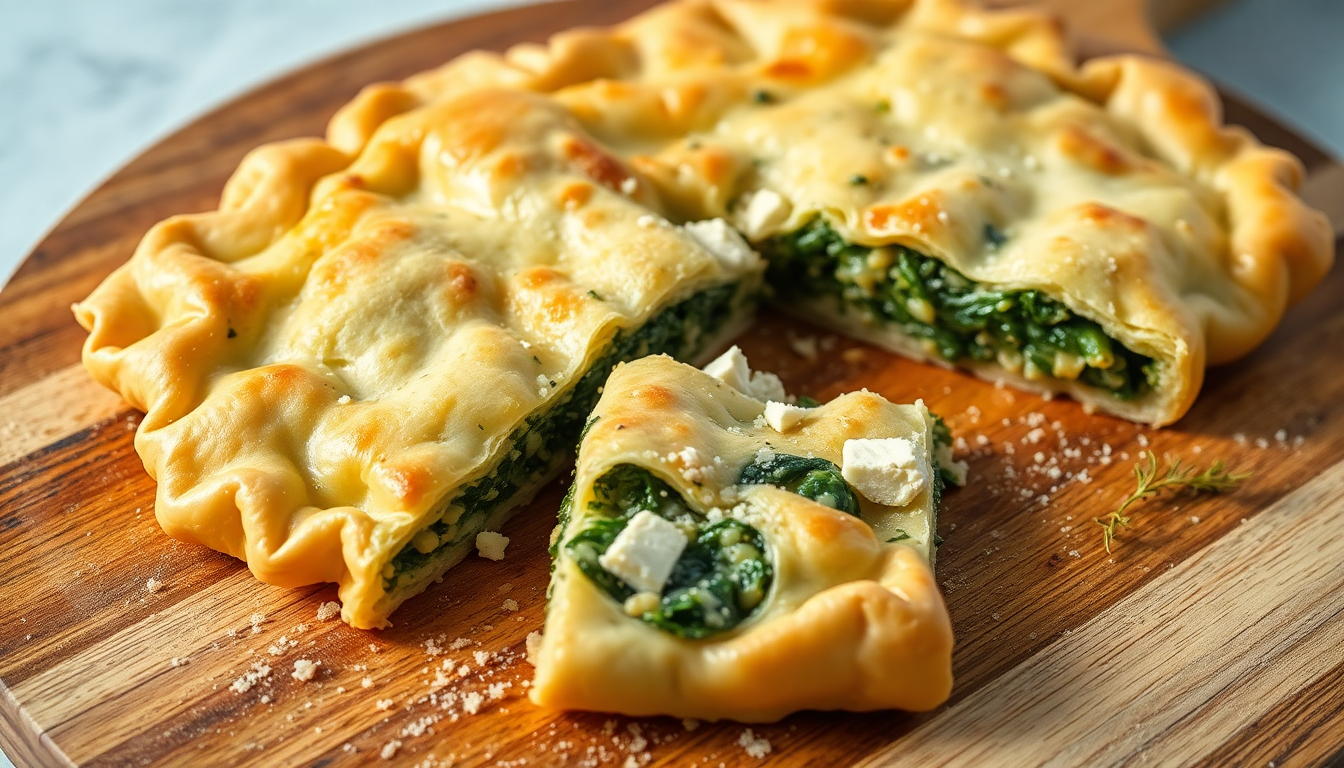
Greek Spanakopita Recipe
Traditional spinach and feta pie wrapped in crispy phyllo dough.
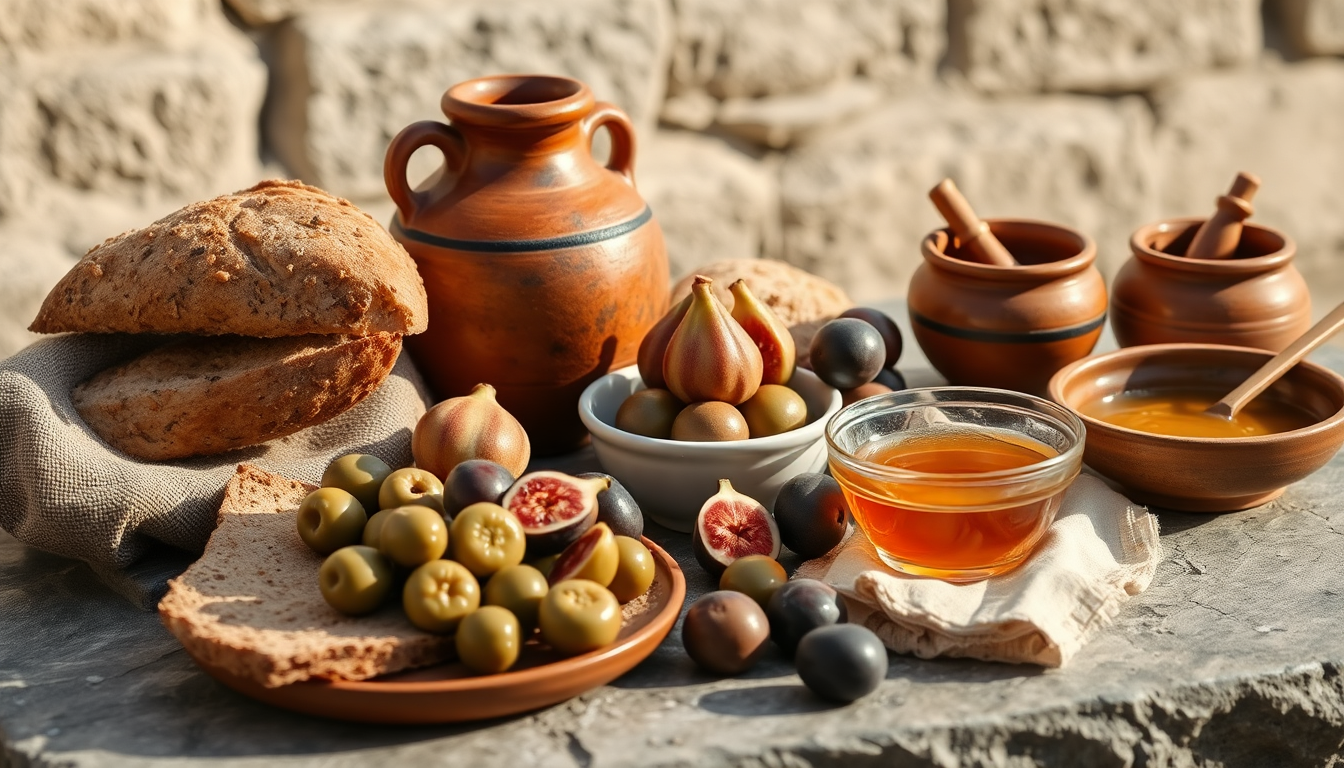
Ancient Greek Recipes
Historical dishes from the origins of Mediterranean cuisine.