What Is the Paleo Diet? Foods, Benefits and Real Downsides
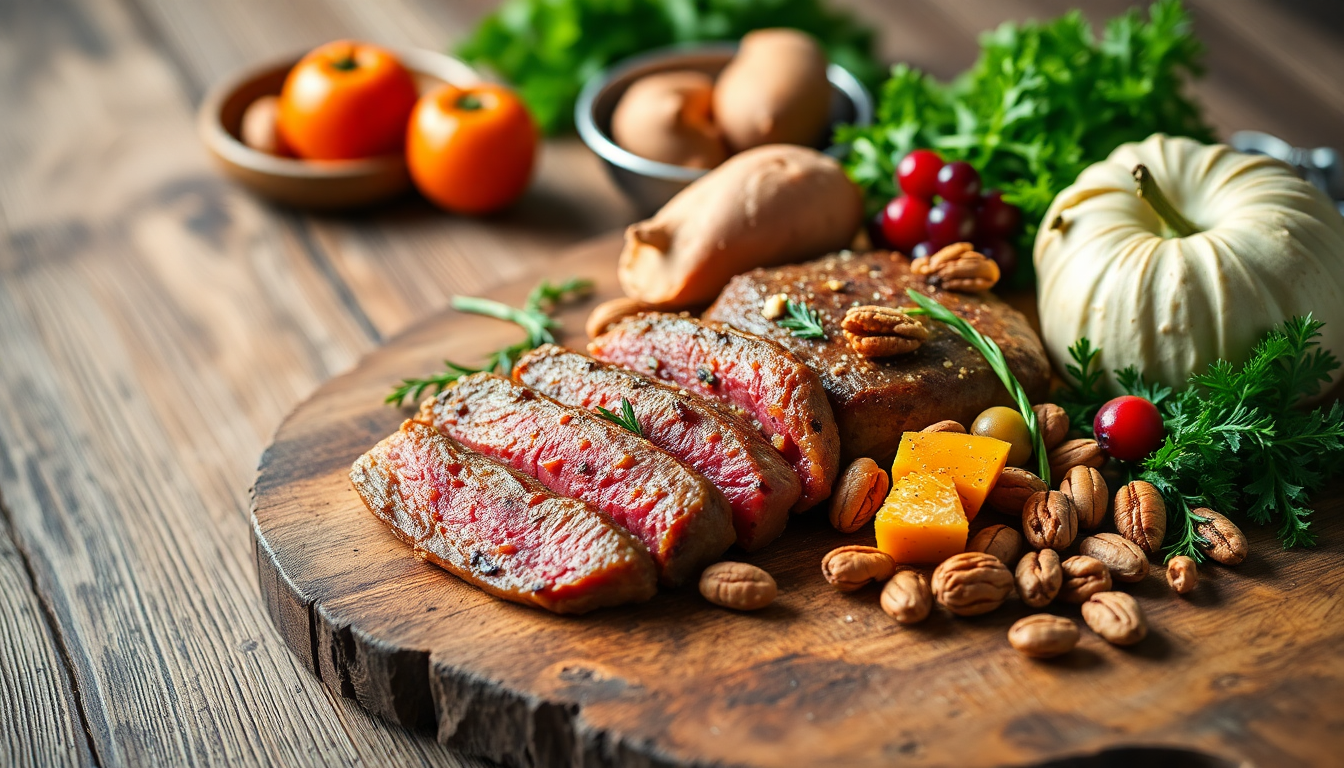
The paleo diet asks a deceptively simple question: what if we ate the way humans did before agriculture changed everything? The idea is that our bodies evolved hunting animals, gathering plants, and eating whatever nature provided — not processing grains into breakfast cereal or turning corn into high-fructose syrup. Proponents argue that modern diseases like obesity, diabetes, and heart disease trace directly to the mismatch between our Stone Age genetics and our industrial-era plates.
Whether that evolutionary argument convinces you or not, the paleo diet has attracted millions of followers since it gained mainstream attention in the early 2010s. Some people swear by it for weight loss, reduced inflammation, and better digestion. Others find it unnecessarily restrictive and socially isolating. The truth, as usual, sits somewhere in the middle.
What “Paleo” Actually Means in Practice
The concept is rooted in the Paleolithic era — roughly 2.5 million to 10,000 years ago, before humans began cultivating crops and domesticating animals. The diet eliminates foods that became common after the agricultural revolution: grains, legumes, dairy, refined sugar, and processed foods.
In practice, you eat meat, fish, eggs, vegetables, fruits, nuts, seeds, and natural fats like olive oil and coconut oil. You avoid bread, pasta, rice, beans, milk, cheese, yogurt, candy, sodas, and anything with a long ingredient list you cannot pronounce.
The philosophy is not about calorie counting or macro tracking. It is about food quality. A paleo plate looks radically different from the standard American diet — or even the standard Mediterranean diet — because it removes entire food categories that most people consider staples.
Foods You Eat on Paleo
Understanding the “yes” list makes meal planning much easier from day one.
Animal proteins: Beef, pork, lamb, chicken, turkey, duck, wild game, all fish and shellfish, eggs. Grass-fed and pasture-raised options are preferred because their fat profiles more closely resemble what ancestral humans consumed, but conventional meats are acceptable if budget is a concern.
Vegetables: All of them except corn (technically a grain) and most legumes. Leafy greens, broccoli, cauliflower, sweet potatoes, beets, carrots, peppers, onions, garlic, tomatoes, cucumbers, squash, asparagus, mushrooms — the variety is enormous and forms the foundation of most paleo meals.
Fruits: All fresh fruits in moderation. Berries are especially valued for their lower sugar content and high antioxidant levels. Bananas, apples, oranges, mangoes, and tropical fruits are all permitted but consumed mindfully since sugar is still sugar, even from fruit.
Nuts and Seeds: Almonds, walnuts, cashews, pecans, macadamias, pistachios, sunflower seeds, pumpkin seeds, flaxseeds, chia seeds, hemp seeds. These provide healthy fats, protein, and minerals. Peanuts are excluded because they are legumes, not true nuts.
Fats and Oils: Extra virgin olive oil, coconut oil, avocado oil, lard, tallow, ghee. These are your cooking fats. Butter is technically not paleo (it is dairy), though many followers use it liberally under a “primal” or modified paleo approach.
Other: Honey and maple syrup in small amounts, dark chocolate (high cocoa content), coconut products (milk, cream, flakes), herbs, spices, vinegars, and fermented foods like sauerkraut and kimchi.
Foods You Eliminate
This is where the diet gets controversial, because it removes foods that mainstream nutrition considers healthy.
Grains: Wheat, oats, rice, barley, corn, quinoa, and anything made from them — bread, pasta, cereal, crackers, tortillas, baked goods. The paleo argument is that grains contain anti-nutrients like lectins and phytic acid that can damage the gut lining and impair mineral absorption.
Legumes: Beans, lentils, chickpeas, peanuts, soy (including tofu, tempeh, soy sauce, edamame). Same anti-nutrient reasoning. This is one of the most debated exclusions because legumes are a primary protein source for billions of people worldwide and are consistently associated with longevity in epidemiological studies.
Dairy: Milk, cheese, yogurt, ice cream, whey protein. The argument is that humans only began consuming dairy roughly 7,000 years ago, and lactose intolerance remains common globally. Ghee is often accepted because the milk solids are removed.
Refined Sugar and Artificial Sweeteners: White sugar, high-fructose corn syrup, aspartame, sucralose, and all processed foods containing them.
Processed Foods: Anything industrial — chips, fast food, frozen dinners, protein bars with 30 ingredients, vegetable oils (canola, soybean, sunflower), and margarine.
Why People Switch to Paleo
Motivations vary, but the most common reasons people give up their current eating patterns for something this restrictive are practical, not theoretical.
Weight loss without hunger: Paleo meals tend to be naturally lower in calories because they eliminate processed foods — the primary driver of overconsumption for most people. Protein and fiber from vegetables and fruits promote satiety. You eat until satisfied and stop, rather than counting every calorie.
Digestive improvement: Many people report that eliminating grains and dairy resolves bloating, gas, and irregular bowel habits. Whether this is due to removing gluten, lactose, lectins, or simply processed ingredients is debated, but the subjective improvement is real for a significant number of followers.
Reduced inflammation: By removing seed oils, sugar, and processed foods — all well-documented inflammation drivers — the paleo diet can lower inflammatory markers. People with joint pain, skin conditions, and autoimmune symptoms often notice meaningful improvement within weeks.
Simplicity: The rules are clear. Eat real food. Avoid processed food. There is no calorie counting, no portion measuring, no point systems. For people overwhelmed by complex diet protocols, this simplicity is the primary appeal.
Where Paleo Falls Short
No diet is perfect, and paleo has real weaknesses that deserve honest discussion.
Nutrient gaps: Eliminating dairy removes a major calcium and vitamin D source. Eliminating legumes removes affordable, high-fiber protein. Eliminating whole grains removes B vitamins and additional fiber. Followers need to intentionally compensate with leafy greens, bone-in fish, nuts, seeds, and possibly supplements.
Cost: Grass-fed meats, wild-caught fish, organic produce, and specialty paleo products are expensive. The diet can be done on a budget with conventional meats and frozen vegetables, but it is inherently pricier than a diet that includes rice, beans, and oats — some of the cheapest calorie sources on the planet.
Social friction: Eating out, attending dinner parties, traveling, and holiday meals all become more complicated when you cannot eat bread, cheese, pasta, or dessert. The social isolation is real and can lead to diet abandonment if not managed with flexibility.
Historical accuracy: Anthropologists point out that actual Paleolithic diets varied enormously by geography and season. There was no single “caveman diet” — Inuit populations ate almost exclusively animal products, while tropical populations ate primarily plants. The modern paleo diet is an interpretation, not a replica.
Restrictiveness: Cutting out entire food groups without medical necessity is a legitimate concern from registered dietitians. For most healthy adults, whole grains and legumes are beneficial. Removing them requires a strong personal reason and careful nutritional planning.
Paleo Versus Other Popular Diets
Understanding how paleo compares to alternatives helps you make an informed decision.
Paleo vs. Keto: Keto focuses on macronutrient ratios (high fat, very low carb). Paleo focuses on food quality regardless of macros. Keto allows dairy but restricts most fruits. Paleo allows fruits and starchy vegetables but restricts dairy. Some people combine both approaches, but they are fundamentally different philosophies.
Paleo vs. Mediterranean: The Mediterranean diet includes whole grains, legumes, dairy, and even moderate wine consumption — all excluded from paleo. Mediterranean is consistently ranked as the most evidence-backed diet for overall health and longevity. Paleo’s advantage is stricter elimination of processed foods, but at the cost of losing several nutrient-dense food groups.
Paleo vs. Whole30: Whole30 is essentially a 30-day strict paleo reset that also excludes sweeteners of any kind (even natural ones like honey) and eliminates paleo-fied recreations of junk food (no cauliflower pizza crust or almond flour pancakes). It is designed as a short-term elimination diet, not a permanent eating pattern.
A Typical Day of Paleo Eating
Breakfast: Scrambled eggs with sautéed spinach, mushrooms, and tomatoes cooked in coconut oil. A side of fresh berries. Black coffee or green tea.
Lunch: Large salad with grilled chicken, avocado, cucumber, red onion, pumpkin seeds, and olive oil-lemon dressing. A piece of fruit on the side.
Snack: Apple slices with almond butter, or a handful of mixed nuts with dried unsweetened coconut.
Dinner: Grilled salmon with roasted sweet potatoes and steamed broccoli drizzled with olive oil. Seasoned with garlic, lemon, and fresh herbs.
This is not punishing food. The meals are colorful, satisfying, and built around ingredients most people already enjoy. The adjustment is removing the rice under the salmon, the bread next to the salad, and the cheese on the eggs.
Who Benefits Most From Paleo
The diet tends to work best for people who already eat a heavily processed diet and need a structured framework to clean up their food choices. If your current meals revolve around fast food, packaged snacks, and sugary drinks, switching to paleo will produce dramatic improvements regardless of the evolutionary argument.
People with autoimmune conditions sometimes find relief through paleo’s elimination of potential inflammatory triggers, particularly through the more restrictive Autoimmune Protocol (AIP) variation. Athletes and highly active individuals may need to modify standard paleo by adding more starchy carbohydrates (sweet potatoes, plantains, taro) to fuel training demands.
Frequently Asked Questions
Can you lose weight on the paleo diet?
Yes. Weight loss is one of the most commonly reported outcomes. By eliminating processed foods, sugar, and refined carbohydrates — the primary drivers of overconsumption — most people naturally reduce their calorie intake without consciously restricting. However, paleo is not a magic formula. Overeating nuts, dried fruit, and large portions of fatty meat can still stall weight loss.
Is rice allowed on the paleo diet?
No. Rice is a grain and grains are excluded from strict paleo. White rice is one of the most debated exclusions because it is low in anti-nutrients and easy to digest. Many paleo followers adopt a “modified paleo” approach that includes white rice, arguing that its exclusion is unnecessarily strict for a food that has nourished billions of people for thousands of years.
How is paleo different from keto?
Paleo is about food origin and quality — eat what our ancestors would have recognized. Keto is about metabolic state — keep carbs low enough to maintain ketosis. Paleo allows sweet potatoes and fruit (not keto-friendly). Keto allows dairy and artificial sweeteners (not paleo-friendly). They overlap in eliminating processed foods and grains but diverge in philosophy and execution.
Is the paleo diet safe long-term?
For most healthy adults, yes — with attention to potential nutrient gaps. Calcium, vitamin D, and fiber can fall short without dairy and grains. Eating a wide variety of vegetables, bone-in fish, nuts, seeds, and possibly supplementing with vitamin D and calcium can address these concerns. People with kidney disease, eating disorders, or specific medical conditions should consult a healthcare provider before starting.
What do you drink on paleo?
Water is the primary beverage. Black coffee, tea (all types), coconut water, and bone broth are all acceptable. Alcohol is technically not paleo, but many followers allow red wine or clear spirits in moderation. Beer and sugary cocktails are excluded because they contain grains and added sugar.
Is cheese paleo?
No. Cheese is dairy and dairy is excluded from the standard paleo diet. Ghee (clarified butter with milk solids removed) is the one exception accepted by most paleo practitioners. If giving up cheese feels impossible, consider whether a modified paleo approach that includes full-fat dairy might suit you better while still capturing most of the diet’s benefits.
Can vegetarians follow a paleo diet?
It is extremely challenging. Without legumes, grains, and soy — the primary protein sources for vegetarians — a paleo vegetarian relies almost entirely on eggs, nuts, seeds, and vegetables. Some people follow a “pegan” approach (a hybrid coined by Dr. Mark Hyman) that blends paleo principles with plant-based eating, allowing small amounts of legumes and gluten-free grains.
Conclusion
The paleo diet offers a clear, simple framework built around whole, unprocessed foods. For people drowning in packaged meals, sugary drinks, and industrial ingredients, it can be transformative — not because of some ancestral magic, but because it forces you to eat real food and stop relying on convenience products that make you sick.
Its weaknesses are real. Eliminating whole grains and legumes removes nutrient-dense, affordable foods that billions of people thrive on. The cost can be prohibitive. The social friction can be exhausting. And the evolutionary argument, while intellectually interesting, does not hold up as the primary justification for a modern eating pattern.
The strongest approach borrows paleo’s emphasis on food quality — prioritizing vegetables, quality proteins, healthy fats, and eliminating processed junk — without dogmatically eliminating food groups that science consistently shows are beneficial. Whether you go strict paleo, modified paleo, or simply use paleo principles to clean up your existing diet, the core lesson stands: eat food that looks like food, and your body will thank you for it.