Garden Rice Recipe: Restaurant-Style Cheesy Pilaf
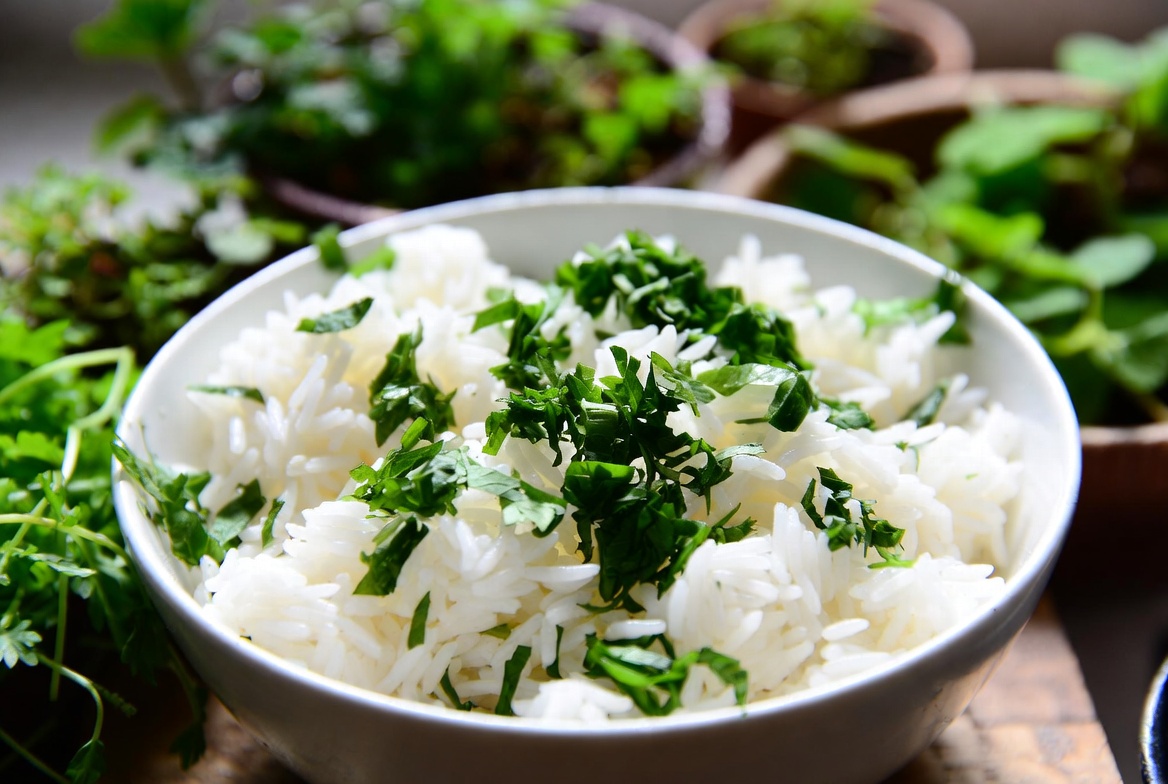
Certain side dishes elevate an ordinary meal into a memorable dining experience through textural contrast and layered flavors. When fluffy grains meet caramelized alliums, tender vegetables, and carefully melted sharp cheddar, the result transcends the humble origins of its components. This particular preparation has earned cult status among steakhouse enthusiasts, yet its simplicity belies the technique required for restaurant-quality execution. Understanding the precise moment to introduce dairy, the optimal vegetable cut size for even cooking, and the exact liquid-to-grain ratio separates mediocre results from the creamy-yet-distinct texture that defines this beloved dish.
The Secret Behind Restaurant-Quality Texture
Professional kitchens achieve that signature consistency through specific starch management and fat emulsification. Unlike standard boiled rice, this method treats the grain as a blank canvas for fond development—that caramelized layer of flavor created when vegetables and seasonings meet hot fat. The key lies in toasting the rice briefly before introducing liquid, which creates a protective seal around each grain. This prevents the sticky, clumpy texture that ruins lesser attempts and ensures each forkful maintains distinct definition while still carrying the creamy sauce coating.
Temperature control proves equally critical. High heat develops the Maillard reaction on onions and peppers, creating sweet-savory complexity impossible through steaming alone. Yet the final cooking requires gentle, covered steaming to tenderize the grains without bursting them. This dual-temperature approach distinguishes authentic preparation from simplified casserole versions.
Essential Ingredients for Authentic Flavor
Success demands quality components rather than complicated technique. Each element serves a specific textural or flavor purpose in the final composition.
For the Vegetable Base:
- 2 tablespoons unsalted butter (preferably European-style for higher fat content)
- 1 tablespoon extra-virgin olive oil
- 1 large yellow onion, diced into ¼-inch pieces (ensures even caramelization)
- 1 red bell pepper, stemmed and diced similarly (adds sweetness and color contrast)
- 3 cloves garlic, minced (added late to prevent burning)
For the Rice Foundation:
- 1½ cups long-grain white rice (jasmine or basmati provide superior aroma)
- 2½ cups low-sodium chicken broth (vegetable broth works for vegetarian adaptation)
- 1 teaspoon smoked paprika (provides subtle depth without heat)
- ½ teaspoon freshly ground black pepper
- ¾ teaspoon sea salt (adjust based on broth sodium content)
For the Signature Finish:
- 1 cup sharp cheddar cheese, freshly grated (pre-shredded contains anti-caking agents that inhibit melting)
- 2 tablespoons fresh parsley, finely chopped
- 2 green onions, thinly sliced (for fresh contrast against rich cheese)
Step-by-Step Preparation Method
Phase One: Building the Foundation Heat the butter and olive oil in a large, heavy-bottomed skillet or Dutch oven over medium-high heat until the butter stops foaming. Add the diced onion and bell pepper, stirring occasionally. Cook for six to eight minutes until the vegetables soften and develop golden edges. The onions should turn translucent with some caramelized spots—this indicates sufficient sugar development. Add the minced garlic during the final thirty seconds, stirring constantly until fragrant but not browned.
Phase Two: Toasting the Grains Add the dry rice directly to the hot vegetables. Stir continuously for two to three minutes until the grains turn opaque and slightly chalky in appearance. This toasting step is non-negotiable; it creates nutty undertones and prevents gumminess. The rice should sizzle gently as it hits the fat-coated vegetables.
Phase Three: Liquid Integration Pour in the chicken broth carefully to avoid splashing. Add the smoked paprika, black pepper, and salt. Bring the liquid to a rolling boil, then immediately reduce heat to low. Cover tightly with a lid and maintain a gentle simmer for fifteen minutes. Resist lifting the lid during this period—escaping steam disrupts the cooking environment and extends required time.
Phase Four: Resting Period Remove the pan from heat while keeping it covered. Allow standing for exactly five minutes. This resting phase completes the steaming process and allows the starches to settle, preventing the mushy texture that occurs when cheese meets overly hot rice.
Mastering the Cheese Integration
The final step requires precise timing. While the rice rests off-heat, shred your cheddar if not already prepared. After the five-minute rest, fluff the rice gently with a fork to separate grains. Sprinkle the cheese evenly across the surface, then replace the lid without stirring. Wait two additional minutes off-heat. This gentle residual warmth melts the cheese gradually, creating a sauce that coats rather than pools. Stir once to distribute the melted cheddar throughout, creating those characteristic creamy strands without breaking down the rice structure.
Fresh herbs enter last. Fold in the chopped parsley and sliced green onions just before serving. Their fresh brightness cuts through the richness and provides visual appeal through color contrast.
Advanced Texture Techniques
For those seeking the absolute restaurant experience, consider these professional modifications. Substitute half the butter for rendered bacon fat to introduce subtle smokiness that complements the paprika. Alternatively, add two tablespoons of cream cheese along with the cheddar for enhanced silkiness without sacrificing grain integrity.
The vegetable dice size significantly impacts final mouthfeel. Pieces smaller than ¼-inch dissolve during cooking, creating mush; larger pieces remain toothy and distinct. Aim for uniform sizing to ensure even cooking. If using carrots or celery in addition to peppers, par-cook them slightly before adding to the onion mixture, as they require longer softening time than bell peppers.
Flavor Variations and Substitutions
This foundation adapts to dietary needs and seasonal availability. For a vegetarian version, substitute mushroom broth for chicken stock—it provides equivalent umami depth. Add diced zucchini or yellow squash during the final five minutes of cooking for summer variations, or stir in thawed frozen peas with the cheese for sweetness and color.
Spice enthusiasts might add crushed red pepper flakes with the garlic or substitute pepper jack for half the cheddar. For an elevated presentation, transfer the finished rice to a buttered baking dish, top with additional cheese, and broil for three minutes until golden and bubbling—this creates the gratinated top layer popular in bistro versions.
Storage and Reheating Guidelines
While best consumed immediately, leftovers maintain quality when stored properly. Refrigerate in an airtight container within two hours of cooking for up to three days. The rice firms considerably when chilled due to starch retrogradation. Rehydration proves essential for enjoyable leftovers.
Reheat individual portions in a covered skillet with one tablespoon of water or broth over medium-low heat, stirring occasionally until warmed through and fluffy. Microwave reheating works in emergencies—cover the portion with a damp paper towel and heat in thirty-second intervals, stirring between each. Add a teaspoon of butter after reheating to restore the original richness that dissipates during storage.
Freezing remains possible though not recommended, as the cheese sauce separates upon thawing, creating a grainy texture. If freezing is necessary, undercook the rice by two minutes initially, omit the cheese, and freeze the vegetable base separately. Thaw overnight, reheat with fresh liquid, then add freshly grated cheddar during the final warming phase.
Nutritional Breakdown
Each generous half-cup serving provides approximately 240 calories, making this a substantial side rather than a light accompaniment. The macronutrient profile includes 28 grams of carbohydrates for sustained energy, 8 grams of protein from the cheese and broth, and 10 grams of fat primarily from heart-healthy olive oil and dairy. The bell pepper contributes 45% of the daily recommended vitamin C intake, while the onions provide prebiotic fiber supporting digestive health.
For lighter preparations, reduce the cheddar to half a cup and substitute nutritional yeast for partial cheese flavor. Replace butter with additional olive oil to reduce saturated fat content. These modifications decrease calories by approximately thirty percent while maintaining the essential character of the dish.
Final Thoughts
Mastering this preparation provides a versatile side dish suitable for weeknight dinners or holiday gatherings. The technique—developing fond, toasting grains, controlling steam—transfers to countless other rice preparations, from Spanish paella to Persian tahdig. More importantly, understanding how to integrate cheese without creating a heavy, gloppy mess elevates your overall cooking repertoire.
Serve alongside grilled proteins, roasted vegetables, or as the base for a grain bowl topped with avocado and hot sauce. The balance of creamy comfort and fresh vegetable crunch satisfies across seasons, making this a permanent addition to your culinary arsenal. Focus on the fundamentals—proper heat control, quality dairy, and patience during the resting phases—and the results will rival any steakhouse version.