Paisa Rice Recipe: Authentic Colombian Mountain Flavors
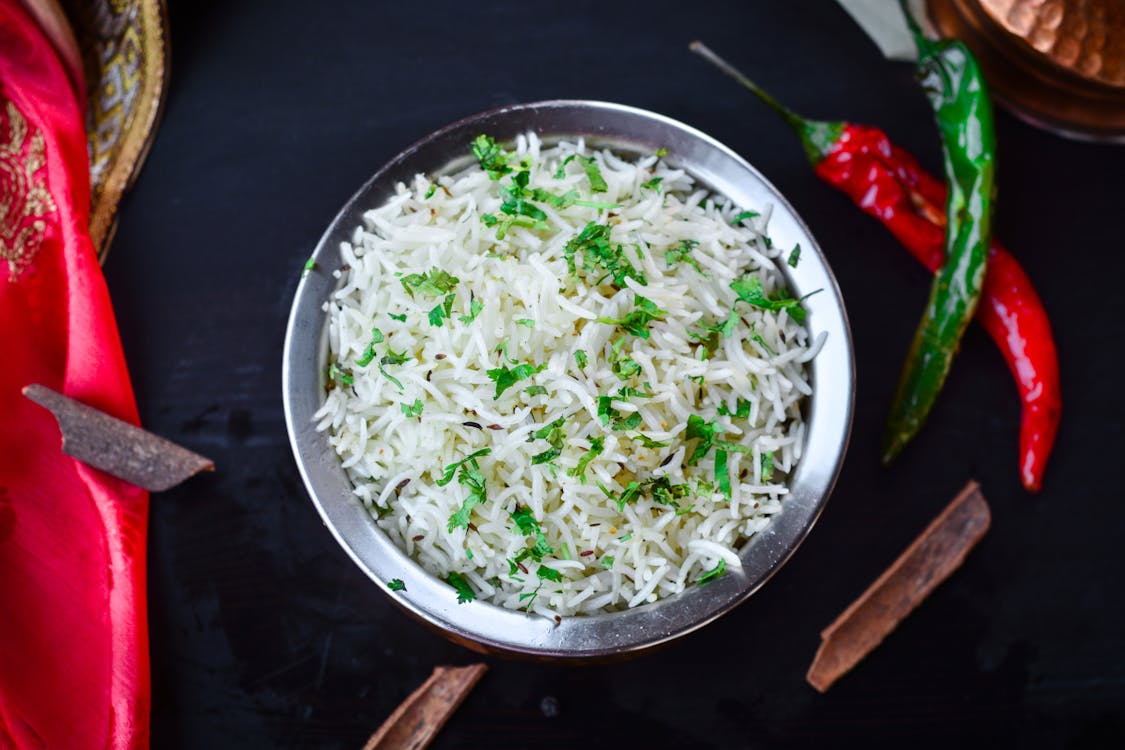
The mountains of Antioquia whisper their culinary secrets through every grain of this remarkable dish. Paisa rice represents more than sustenance—it embodies the generous spirit of Colombian highland cooking, where farmers transformed humble ingredients into celebrations of flavor. This hearty rice preparation brings together the region’s finest offerings: tender meats, golden plantains, and aromatic vegetables that dance together in perfect harmony.
What Makes Paisa Rice Truly Special
Understanding this dish requires appreciating its cultural roots. Born in the Andean region of Colombia, specifically around Medellín, paisa rice emerged from the necessity of feeding hardworking farmers after long days in the fields. The recipe cleverly utilizes ingredients that were readily available: rice as the economical base, various pork products for richness, and plantains for natural sweetness.
Unlike simpler rice preparations, this dish builds layers of flavor through a meticulous process. Each component receives individual attention before joining the final composition. The result transcends the sum of its parts, creating something genuinely memorable that satisfies both body and soul.
Essential Ingredients for Authentic Flavor
The magic begins with selecting quality components. Traditional preparations call for long-grain white rice, which maintains its structure while absorbing the surrounding flavors beautifully. The meat selection typically includes pork belly or bacon, chorizo sausage, chicken breast, and sometimes ground beef for added depth.
Fresh vegetables play crucial supporting roles. Ripe tomatoes provide acidity and color, while onions—preferably the long green variety traditional to the region—add subtle sweetness. Garlic infuses its pungent warmth throughout, and fresh cilantro delivers that unmistakable herbal brightness at the finish.
The plantain component deserves special mention. Ripe plantains, with their blackened skins and custard-like interiors, fry into golden nuggets that contrast beautifully with the savory elements. This sweet-savory interplay defines the paisa palate.
Complete Ingredient List
For the Rice Base:
- 2 cups long-grain white rice
- 4 cups chicken broth or water
- 1 teaspoon salt
- 1 tablespoon vegetable oil
For the Meats:
- 1 pound pork ribs or ½ pound bacon
- 1 chicken breast, diced
- 2 fresh chorizo sausages, sliced
- ½ pound ground beef (optional)
For the Sofrito:
- 3 long green onions or scallions, chopped
- 3 ripe tomatoes, diced
- 3 garlic cloves, minced
- 1 red bell pepper, diced
- ½ cup sweet corn kernels
Additional Components:
- 1 ripe plantain, cut into cubes
- 1 teaspoon ground cumin
- ½ teaspoon achiote or paprika for color
- Fresh cilantro, chopped
- Salt and black pepper to taste
- Vegetable oil for frying
Step-by-Step Preparation Guide
Cooking the Perfect Rice Foundation
Begin by rinsing the rice under cold water until the liquid runs clear. This removes excess starch and prevents clumping. In a large pot, heat the oil over medium heat and toast the rice for one minute, stirring constantly until fragrant. Add the broth or water with salt, bring to a boil, then reduce heat to low. Cover and simmer for approximately fifteen minutes until the liquid absorbs and the grains separate easily. Spread the cooked rice on a tray to cool completely—this step ensures the grains remain distinct when combined with other ingredients.
Preparing the Meats
Heat a generous amount of oil in a deep skillet over medium-high heat. Fry the plantain cubes until deeply golden, about five minutes, then drain on paper towels. In the same oil, render the pork belly or bacon until crispy and browned. Remove and reserve, leaving the flavorful fat behind. Sear the chicken pieces until golden on all sides, followed by the chorizo slices until they release their reddish oils. Each meat should cook separately to develop its unique texture and flavor profile.
Creating the Flavor Base
Pour off excess oil, leaving about three tablespoons in the pan. Add the onions and garlic, sautéing until translucent and aromatic. Introduce the tomatoes and bell pepper, cooking until they soften and create a thick, fragrant sofrito. Season with cumin, achiote, salt, and pepper. This mixture forms the flavor backbone of the entire dish.
Assembly and Final Cooking
Add the cooled rice to the sofrito, tossing gently to coat each grain with the seasoned vegetables. Incorporate the cooked meats, folding carefully to distribute evenly without breaking the rice grains. Finally, add the fried plantains and fresh corn, mixing just enough to combine. Taste and adjust seasoning as needed. A sprinkle of fresh cilantro just before serving adds that essential fresh note.
Pro Tips for Outstanding Results
Achieving restaurant-quality paisa rice at home requires attention to detail. Always cook the rice ahead of time and allow it to cool completely—warm rice becomes mushy when stirred with other ingredients. The chorizo selection significantly impacts the final flavor; seek out authentic Colombian or Spanish varieties with high pork content and robust spice blends.
When frying the plantains, ensure the oil reaches the proper temperature before adding the cubes. They should sizzle immediately upon contact. Underheated oil results in greasy, soggy plantains rather than the desired caramelized exterior and creamy interior.
The sofrito deserves patience. Rush this step and the dish loses its soul. Allow the vegetables to cook slowly, releasing their natural sugars and creating that deep, complex flavor foundation that defines authentic paisa cooking.
Serving Suggestions and Accompaniments
Traditional presentations feature generous portions in deep bowls, allowing the various components to nestle together invitingly. A dollop of hogao—that beloved Colombian tomato-onion sauce—adds moisture and tanginess. Sliced avocado provides cooling creaminess that balances the richness, while additional fried plantains on the side satisfy those craving more sweetness.
For special occasions, accompany the rice with a simple green salad dressed with lime juice. The acidity cuts through the dish’s richness beautifully. A cold Colombian beer or fresh fruit juice completes this authentic mountain experience.
Storage and Reheating Recommendations
Properly stored in an airtight container, paisa rice maintains quality for up to three days refrigerated. The flavors actually improve overnight as they meld together. Reheat portions in a skillet over medium heat rather than microwave, which restores the desirable texture. Add a splash of broth if the mixture seems dry.
Freezing is not recommended, as the rice becomes unpleasantly mushy upon thawing and the plantains lose their appealing texture. Prepare only what you can consume within a few days for optimal enjoyment.
Nutritional Considerations
Each generous serving provides approximately 600 calories, making this a substantial meal rather than a side dish. The protein content reaches nearly 30 grams thanks to the various meats, while carbohydrates from the rice and plantains provide sustained energy. Those monitoring fat intake may reduce the pork components and increase chicken proportionally.
For a lighter interpretation, substitute brown rice and bake rather than fry the plantains. While purists might protest, these modifications create a more health-conscious version that retains the essential character of the original.
Variations Across Regions
Colombia’s diverse geography inspires countless regional adaptations. Coastal versions might incorporate seafood, while inland preparations emphasize beef. Some cooks add diced potatoes for extra heartiness, others include peas or carrots for color and nutrition. These variations reflect local availability and family preferences rather than rigid rules.
The vegetarian adaptation replaces meats with hearty mushrooms, beans, and additional vegetables. While different from the traditional version, it captures the spirit of abundant, flavorful rice cooking that defines the paisa tradition.
Conclusion
Mastering paisa rice connects you to generations of Colombian cooks who understood that great food transcends mere sustenance. This dish tells stories of mountain communities, agricultural abundance, and the joy of sharing generous meals with loved ones. Whether preparing it for a special celebration or Sunday family dinner, each spoonful carries the warmth and hospitality of the Antioquia region.
The techniques learned here—proper rice preparation, patient sofrito building, and thoughtful ingredient layering—apply broadly across Latin American cooking. Embrace the process, trust your instincts, and create something truly memorable that honors this beloved culinary tradition.